AI-Powered Cyber Attacks Increasing as Hackers Exploit Generative AI Tools
Google warns that cybercriminals are misusing generative AI to launch advanced phishing attacks, AI-generated malware, and automated cyber threats. The report highlights rising AI cybersecurity risks and the urgent need for AI-powered security solutions.
 Tech Author

Google has issued a critical warning about how fraudsters are misusing artificial intelligence in cybersecurity. In a recent paper, Google's Threat Intelligence Group describes how hackers are now employing artificial intelligence methods to carry out sophisticated cyber operations. This demonstrates that AI is not only helping businesses succeed, but it is also becoming a strong tool for combating digital crime.
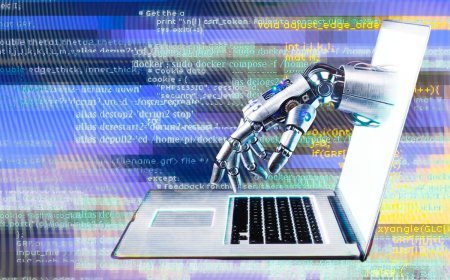
According to the report, fraudsters use generative AI to construct convincing phishing emails, create AI-generated malware, and automate hacking operations. Previously, these types of attacks required skilled professionals. With readily available AI tools, even small cybercriminal groups may execute large-scale attacks. This has elevated the total cybersecurity danger to both companies and customers.
One important problem is artificial intelligence-powered phishing. Hackers can now create emails that appear natural and professional, with no language issues. This makes it difficult for consumers and email filters to spot fraud. AI is also used to repeatedly rewrite malware code, allowing it to bypass standard antivirus software. This sort of smart malware has the ability to modify its structure and remain undetected for extended durations. Google also pointed out that attackers are using AI to study leaked data quickly and find high-value targets. With AI tools, hackers can scan large data sets, identify weaknesses, and even create custom attack methods. This has reduced the entry barrier for cybercrime. The risk is no longer limited to big hacking groups. Even low-level criminals can now use advanced AI technology.
To combat this expanding threat, Google Cloud employs AI-based security algorithms that detect unusual patterns and prevent AI-driven cyberattacks. The company believes that the only way to prevent AI misuse is to implement AI-powered cybersecurity solutions. However, experts advise firms to strengthen their data protection procedures, upgrade their security systems, and train employees to recognize phishing and malware risks.
This report clearly demonstrates that AI is now a two-edged sword. While it promotes creativity and productivity, it also raises the risk of cyberattacks. Companies should reconsider their cybersecurity strategy before AI-powered attacks become even more serious.
Information referenced in this article is from Tech Buzz