AI Meets Healthcare as Anthropic Introduces Claude for Healthcare for Medical Data, Research, and Clinical Efficiency
Anthropic has launched Claude for Healthcare, introducing AI-powered tools to analyze medical records, support clinical workflows, and improve patient insights, while raising important discussions around AI accuracy, privacy, and responsible use in healthcare.
 Tech Author
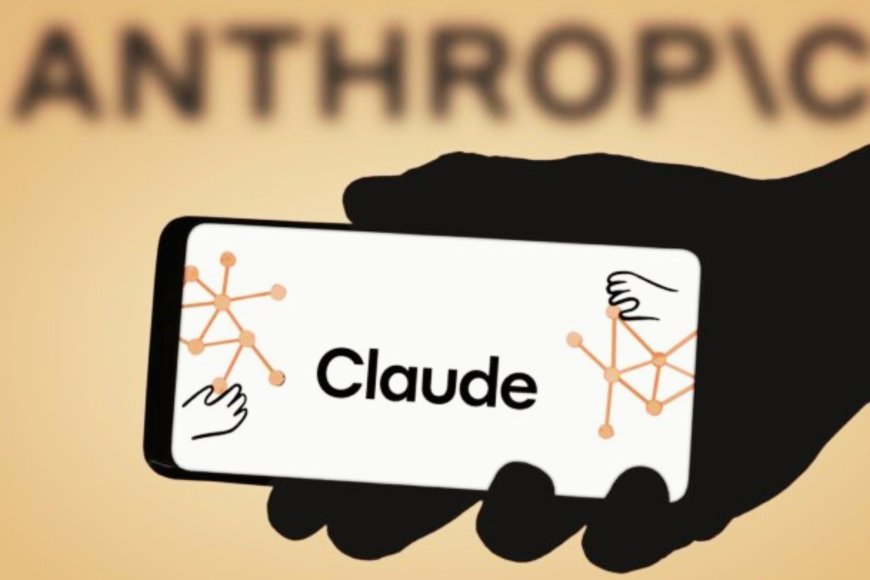
Anthropic has unveiled a new set of AI-powered tools aimed exclusively for the healthcare industry, marking a significant step forward in the growing application of artificial intelligence in medical services. The new program, called Claude for Healthcare, is based on Anthropic's most recent AI model and focuses consumers, healthcare providers, insurers, and life sciences companies via approved health technology platforms.
According to Anthropic, these tools are designed to support real-world medical and scientific tasks more effectively than previous versions. The company says the new system can help healthcare startups build smarter products while also enabling large organizations to integrate AI more deeply into daily operations. This move signals Anthropic’s formal entry into the health technology space and expands its existing focus on life sciences.
Under Claude for Healthcare, Anthropic has collaborated with recognized health platforms to make personal medical data more accessible and valuable. One such integration enables patients to safely aggregate medical records from thousands of health systems into a single perspective. After validating their identification and connecting their health portals, users can ask Claude health-related questions, and Claude will respond with pertinent information from their medical history. This allows consumers to comprehend conditions, test results, and care alternatives in a more individualized manner. The system also supports healthcare professionals by helping with routine but time-consuming tasks. These include organizing patient messages, supporting care coordination, and assisting with insurance-related processes such as approvals and claims. By reducing manual work, the tools aim to give medical staff more time to focus on patient care.
Anthropic also provides access to reliable medical and scientific databases. With these integrations, Claude may answer inquiries using established medical categories, provider information, and peer-reviewed research. The goal is to enhance accuracy and relevance while retaining information from credible sources. However, the growth of AI in healthcare has created certain worries. Privacy and data security remain key concerns, particularly when sensitive health information is involved. There are also persistent concerns about AI in which systems provide inaccurate or deceptive advice. Recent occurrences involving AI-generated health advice have highlighted the possible consequences if such technologies are not used correctly.
Despite these challenges, interest in AI-driven healthcare tools continues to grow. Studies show that both doctors and patients are increasingly using AI for health-related support, with many reporting improved understanding and efficiency. While OpenAI currently reaches a much larger consumer audience, Anthropic appears to be focusing more on enterprise and specialized healthcare use cases. As AI adoption in healthcare accelerates, tools like Claude for Healthcare reflect a broader shift toward smarter, data-driven medical support. The success of these platforms will depend on how well they balance innovation with accuracy, privacy, and patient safety in an increasingly digital healthcare environment.
This article is based on information from The Indian Express