Choosing the Right NAS Hard Drive: Why Desktop HDDs May Not Be the Best Choice for Better Performance
Choosing the right NAS hard drive is essential for better performance, RAID stability, 24/7 reliability, longer lifespan, and secure data storage, making NAS HDDs a smarter choice than standard desktop hard drives.
 Tech Author
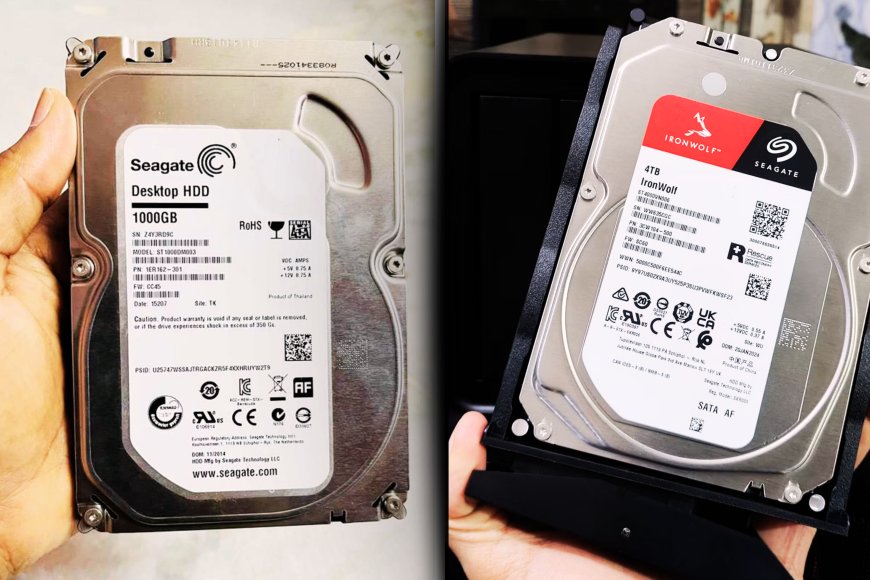
If you're looking to purchase your first Network Attached Storage (NAS) device, picking the correct hard drive is just as crucial as selecting the NAS itself. Many people believe that all hard drives work the same manner, but this is not the case. Using the wrong drive can have an impact on your storage system's performance, dependability, and even its longevity.
Desktop and NAS hard drives are designed for various applications. A desktop drive is intended for regular computer use. It can handle light data transfers, runs for a limited time, and operates in ambient temperature conditions. These drives are not designed for continuous, severe workloads.
NAS hard drives on the other hand are meant to run continuously, 24 hours a day, seven days a week. They are designed to support continuous data transfers, multiple users, and RAID storage systems. Manufacturers also provide workload ratings, which indicate how much data the drive can safely process annually.
NAS hard drives come with special firmware that allows them to function smoothly and consistently in RAID storage systems. Many common desktop hard drives use Shingled Magnetic Recording (SMR) technology, which stores data by overlapping tracks to save more space. While this design works well for most computer tasks, it can become slow when big volumes of data are written or a RAID system is rebuilding after a drive failure. This could reduce performance while increasing recovery time. That is why storage experts recommend utilizing NAS-certified hard drives in network storage systems, as they are designed for long-term use and greater reliability.
Durability is another significant advantage. NAS hard drives are designed to deal with vibration and continuous operation all year. Whether you're storing family photos, running a media server, backing up vital information, or sharing data across numerous devices, a NAS disk is built to handle the load without affecting performance.
Before investing in a NAS, spend some time researching the right storage drives. Choosing a hard drive built specifically for NAS use can improve reliability, protect your data, reduce the risk of failure, and deliver better long-term performance. A small investment in the right hardware today can save you from costly problems in the future.
This article is based on information from How to Geek