Why Credential Theft Is the Fastest-Growing Cybersecurity Threat Facing Companies Worldwide
Credential theft is one of the fastest-growing cyber threats, driven by phishing, password reuse, and data breaches. Strengthen your cybersecurity strategy with awareness, multi-factor authentication, and proactive credential monitoring.
 Tech Author
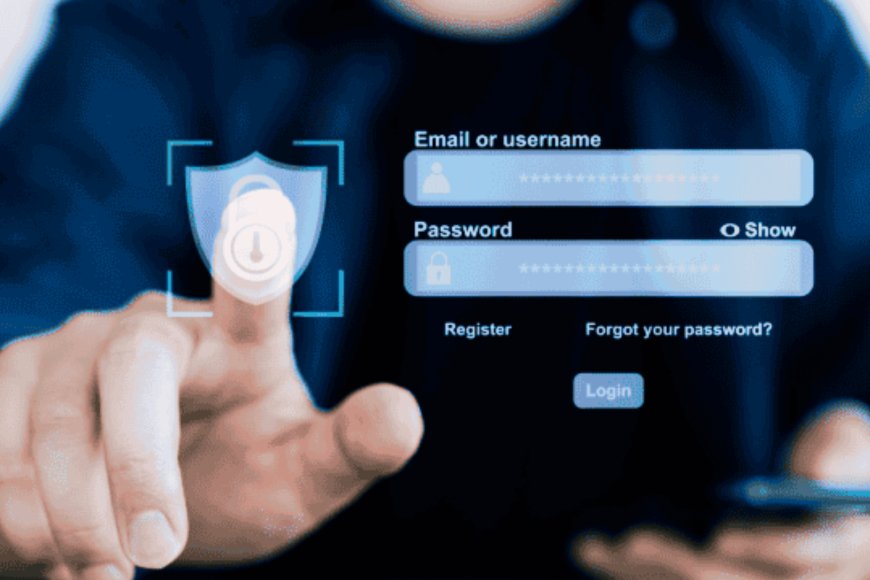
In the digital age, passwords are every business's and individual's first line of protection. However, they are also one of the most vulnerable targets for cybercriminals. Every day, attackers devise new methods to deceive employees, steal login information, and profit from it. What begins as a simple click on a phishing email may swiftly escalate into a massive data breach, causing companies millions of dollars in harm.
The Hidden Threat of Credential Theft
In today's interconnected world, our online credentials, such as usernames and passwords, serve as digital keys to everything we do. However, when these keys get into the wrong hands, even minor mistakes can result in significant cyber threats.
Imagine receiving what looks like a normal password reset email and unknowingly entering your details on a fake site. Within seconds, your credentials are stolen and traded on dark web markets. It might seem minor, but when multiplied across thousands of users, it turns into a large-scale cybercrime operation.
This process is part of the credential compromise lifecycle, where stolen credentials are collected, sold, and reused across multiple platforms, often without the victim ever knowing.
How Hackers Steal Credentials
Credential compromise usually begins when employees create several logins for different work applications and reuse passwords to make things easier. This common habit gives hackers a perfect opportunity to strike. Cybercriminals often use phishing emails that look genuine, tricking users into entering their passwords on fake websites. Others rely on brute-force attacks that automatically guess password combinations or use data stolen from third-party breaches to access other accounts using the same login details.
Even developers can unintentionally expose API keys or login information in public code repositories, which automated bots quickly detect and collect. Another common method, known as credential stuffing, involves using stolen usernames and passwords from one platform to break into others. Because many people reuse passwords, even a small success rate can lead to major breaches. In short, weak password practices and human error make it far easier for cybercriminals to gain unauthorized access.
The Hidden Network Driving Credential Theft
Credential theft is an instance of a network of hackers working together, not just one hacker sitting behind a computer. Each group has a particular task to carry out.
Some fraudsters want quick money by utilizing stolen login information to conduct fraudulent purchases or steal cryptocurrency. Botnets are vast networks of compromised machines that automatically test millions of usernames and passwords from various websites to find matches. Underground markets thus function as online stores where stolen credentials are purchased and sold.
The most deadly are organized cybercriminal groups. They remain hidden inside company systems for months, studying the network and stealing critical data or launching ransomware attacks.
This secret world has evolved into a full-fledged market in which stolen credentials are viewed as valuable assets, fueling big hacks and resulting in massive losses for businesses worldwide.
The Real Impact and How to Protect Your Business
Once attackers acquire access to a company's systems, the damage can quickly spread. They may takeover accounts, steal confidential data, spread ransomware, or even use business resources for cryptocurrency mining or spam operations.
The implications include financial losses, legal issues, and long-term reputational harm. Many firms never fully recover from a significant credential breach.
The most effective defense is early detection and prevention. Use multi-factor authentication (MFA), keep an eye out for compromised credentials, and train personnel to identify phishing efforts on a regular basis. The idea is to identify vulnerabilities before attackers exploit them.
Credential theft has become one of the biggest cybersecurity challenges for modern businesses. What often begins as a simple password reuse or phishing click can lead to massive financial and data loss. Protecting accounts with strong, unique passwords and multi-factor authentication is no longer optional, it’s essential. Staying alert and proactive today can save organizations from devastating cyber incidents tomorrow.
Source: The Hacker News