
Rising AI Demand Causes Memory and Storage Shortage, Impacting Retailers and PC Builders Worldwide
The ongoing supply crunch in Japan highlights how growing AI demand is driving hardware shortages, soaring prices, and long-term challenges for both technology businesses and everyday consumers.
 Tech Author
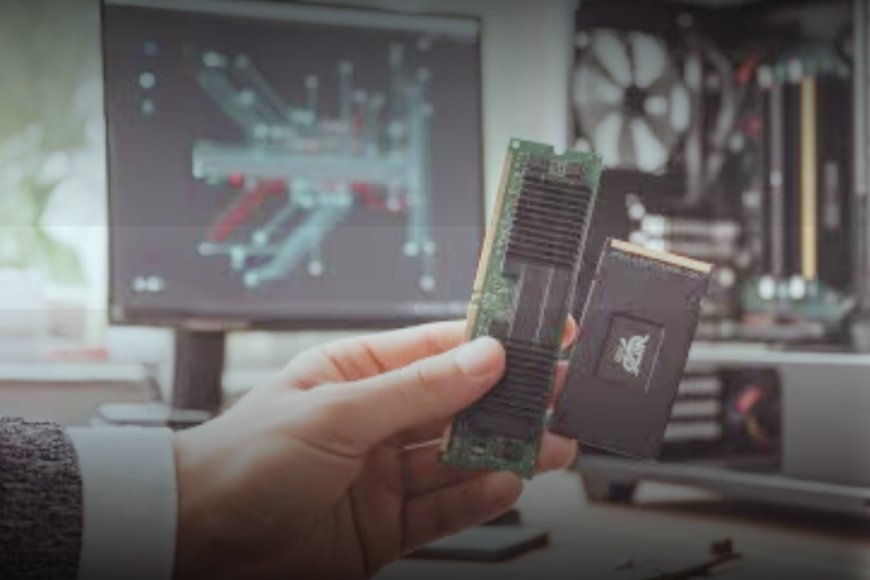
A significant shortage of computer memory and storage devices has affected several stores in Akihabara, Tokyo's well-known electronics region. Many stores are now limiting how many items a client can purchase. Some allow up to eight storage or memory modules per group, while others impose additional restrictions, allowing two storage drives or SO-DIMMs and four memory units per buyer. Customers purchasing a brand-new PC may be able to negotiate slightly greater limits, but sales restrictions have become commonplace.
The explanation for these buying limits is simple that the supply of storage and memory chips has decreased significantly. Distributors are delaying or stopping deliveries, leaving stores with very little inventory. With fewer products available, costs for these components are projected to rise dramatically. PC builders, gamers, and tech users who rely on high-performance memory modules would be among those most affected.
The shortage is mostly caused by the rising global demand for AI hardware. Manufacturers have reallocated their manufacturing resources to produce memory and storage chips for AI servers and GPU systems.This modification resulted in a 100% rise in memory pricing, making even older DDR4 RAM more expensive. Because most memory manufacturers are now focusing on the newer DDR5 technology, the supply of DDR4 modules is rapidly decreasing. Some enterprises are attempting to restart production to satisfy market demand, but their output remains insufficient to make a difference.
This combination of high demand and limited supply has pushed the global memory and storage industry to its limits. Building new chip factories to meet this demand isn’t an easy fix, it can take several years to set up and scale production. Meanwhile, experts are warning of a possible AI market bubble, suggesting that current demand could slow down suddenly if the market cools off.
For the time being, increased hardware costs are putting hardship on consumers and businesses alike.The Akihabara shortage underlines a larger issue in the IT world: if artificial intelligence continues to dominate the sector, shortages of critical computer components may become the new normal. If supply limitations persist, PC builders and end users may face longer wait times and higher upgrade costs. The persistent memory and storage shortage demonstrates how profoundly the AI business is altering the global IT supply chain.
Information referenced in this article is from Tom's Hardware