E-Waste Facts You Must Know: How Electronic Waste Recycling Protects Data, Saves Resources, and Supports Sustainable Technology
Learn the most important e-waste facts, why proper e-waste management is essential, and how recycling old electronics helps protect the environment, data security, and the economy.
 Tech Author
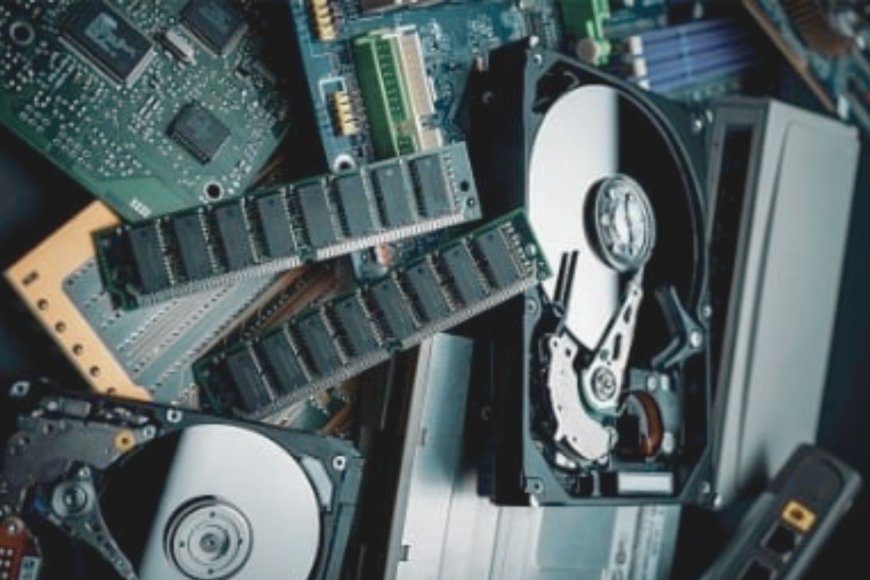
Electronic waste, or E-waste, is one of the world's fastest growing waste streams. It encompasses everything from obsolete computers and phones to televisions and small electronics that we discard. As technology advances, consumers upgrade their devices more frequently, resulting in a large pile of discarded electronics. But what happens to all this waste? And why should it matter?
Before we get into the main topics, it's necessary to understand why e-waste management is becoming a global concern. Every year, millions of electrical products are discarded, putting strain on the environment and human health. Knowing the facts regarding electronic waste recycling allows us to make better and safer decisions when disposing of obsolete equipment.
E-Waste Can Expose You to Data Theft and Why Secure Recycling Matters
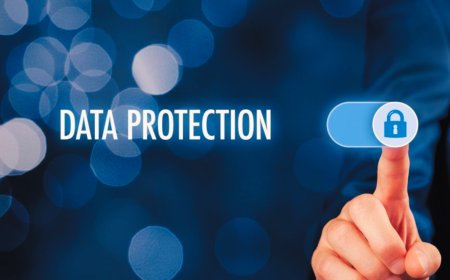
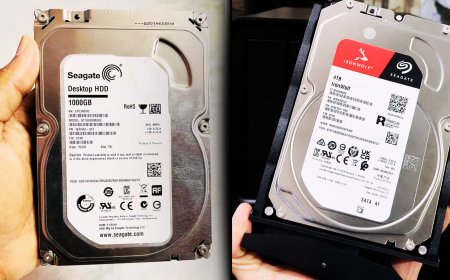
When people throw away old laptops, mobile phones, or hard drives without properly erasing the data, they put their personal and business information at serious risk. Even if files are deleted, the data is often only hidden and can still be recovered by hackers. This makes improper e-waste disposal a major data security threat. Cybercrimes already cost businesses more than $6 trillion every year, showing how dangerous leaked data can be. This is why choosing a trusted e-waste recycling company is very important. Professional recyclers use advanced methods to shred hard drives and permanently destroy data before recycling the device. Companies also provide a ‘Certificate of Data Destruction’, which confirms that all sensitive information has been safely removed. Secure e-waste recycling not only protects your privacy but also ensures your old electronics are handled in an environmentally responsible way.
Burning E-Waste Harms the Environment, While Recycling Saves Energy and Resources
Burning or incinerating e-waste is extremely harmful to the environment. Electronic devices contain toxic substances like lead, mercury, and plastics, which release dangerous pollutants into the air, soil, and water when burned. This pollution affects human health and damages wildlife and natural ecosystems. Instead of burning or dumping electronics in landfills, recycling e-waste is a much safer and smarter solution. Recycling old electronic devices uses far less energy than making new products from raw materials. It also helps recover valuable metals which would otherwise be wasted. According to the reports, the total value of reusable materials found in global e-waste is more than $62.5 billion, proving that proper e-waste recycling benefits both the environment and the economy.
Why E-Waste Recycling Matters
E-waste recycling is critical for both human and environmental safety. When electronic devices are properly recycled, the personal and commercial data stored on them is securely destroyed, lowering the risk of data theft and cybercrime. Recycling also helps to protect the environment by avoiding harmful substances and heavy metals from entering the air, soil, and water. Rather than losing precious materials, e-waste recycling recovers and reuses metals, minimizing the need of extracting new resources.
Furthermore, this procedure benefits the economy by conserving energy and generating jobs in the recycling and repair industries. By choosing responsible e-waste recycling, we all help to create a cleaner, safer, and more sustainable future for the next generation.