Under-18 Social Media Accounts May Need Parental Approval Under New India Rules
India may require parental consent for social media accounts used by children under 18 as the government examines new legal safeguards.
 Tech Author
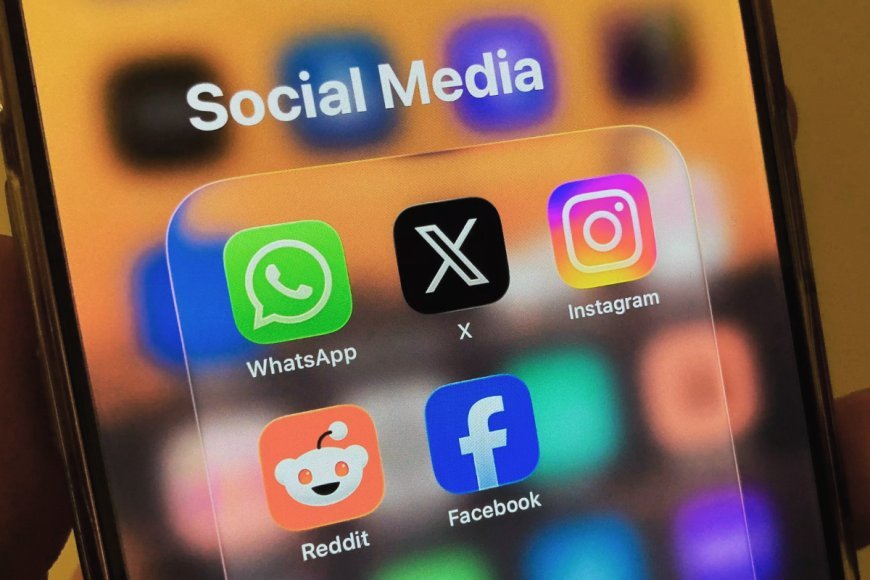
The Indian government is considering a new legal framework for social media use by people under 18, which could prevent minors from independently agreeing to a platform’s terms and conditions when creating an account. The issue came up during a hearing in the Supreme Court of India involving a public interest case filed by the Just Rights for Children Alliance. The petition seeks stronger safeguards for children using social media and other digital platforms.
Senior advocate HS Phoolka, who represents the petitioner, told the court that the government has said that under existing Indian law, a person below 18 cannot independently enter into a contract with a social media platform. In practical terms, this could mean that a child may not be able to accept a platform’s terms and conditions on their own. Instead, a parent or legal guardian could be required to provide the necessary consent or agreement on the child’s behalf.
During the hearing, Solicitor General Tushar Mehta stated the government understands the seriousness of the issue and is examining whether it can be addressed through the Digital Personal Data Protection (DPDP) Act. The DPDP Act contains provisions covering children’s personal data and parental consent. However, the law has not yet been fully brought into force.
The government is also considering whether changes to existing laws, new rules or a separate policy may be required. At this stage, there is no confirmed framework or final decision on how the proposed system would work.
The Supreme Court bench also discussed whether existing intermediary rules could be used to address concerns surrounding children’s access to social media. The Chief Justice referred to Section 79 of the Information Technology Act, which provides certain legal protections to online intermediaries for third-party content. The court indicated that it could consider issuing directions to social media platforms if the issue is not adequately addressed through the government's existing legal framework.
For now, there is no confirmed nationwide age-verification or parental-consent requirement for all social media platforms in India. The government is still examining its legal options. If new rules are eventually introduced, they could affect how social media platforms handle under-18 users, parental consent, children's personal data and account creation in India.
Information referenced in this article is from Money Control