Why Hard Drives Still Outperform SSDs for Long-Term Data Backup and Affordable High-Capacity Storage
Reasons why hard drives remain the best choice for data storage include their high capacity, lower cost, long-term reliability, and suitability for NAS systems and cold storage, making them ideal for bulk data backup and protection.
 Tech Author
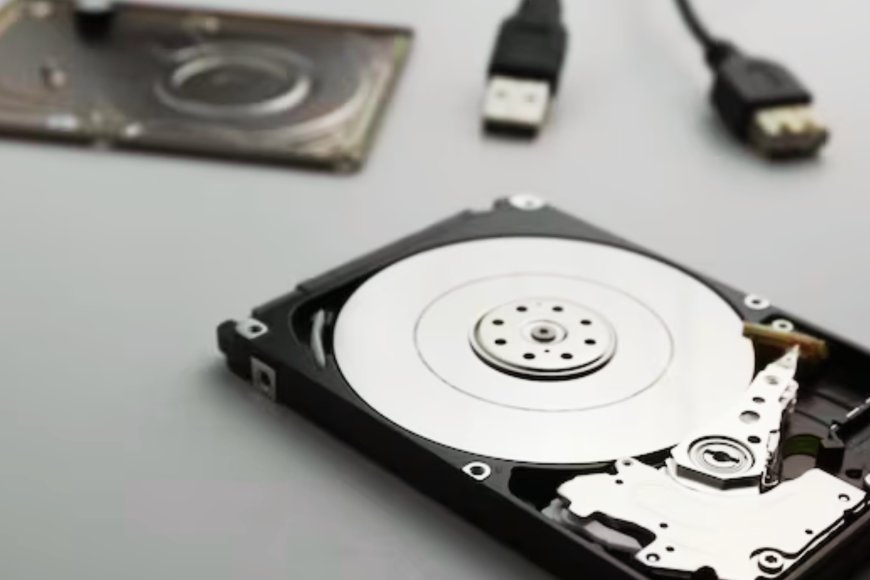
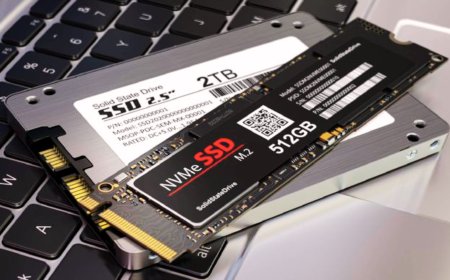
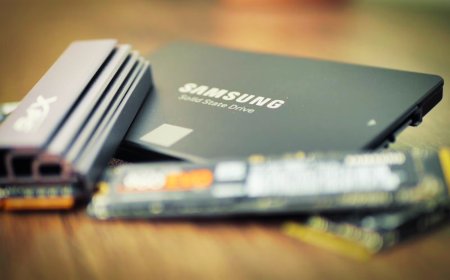
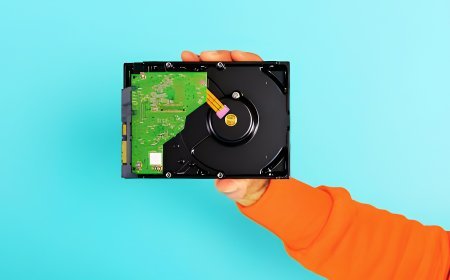
Solid-state drives (SSDs) are known for their high speed and performance, making them ideal for faster processing and data access. However, they are not always the ideal option for all storage requirements.Traditional Hard Disk Drives (HDDs) continue to provide exceptional value to consumers that manage big volumes of data such as videos, backups, or archives. They offer significantly larger storage capacity at a reduced cost per terabyte. This makes HDDs the best choice for Network-Attached Storage (NAS) systems for long-term data backup. When it comes to pricing and dependability, hard drives remain the better option for mass data storage.
Hard Drives Offer Unmatched Storage Capacity
While SSDs are fast and compact, they still can’t compete with the storage capacity that modern hard drives provide. Today, high-capacity HDDs can store anywhere from 14TB to 22TB of data per drive, making them the most practical choice for users managing large storage systems like Network-Attached Storage (NAS). For individuals or businesses backing up data from computers, smartphones, and even cloud accounts, hard drives offer the best balance between space, cost, and long-term reliability. On the other hand, SSDs of similar capacity are still rare and come at a significantly higher price. For this reason, hard drives remain the backbone of bulk data storage, especially in setups that require both scalability and stability.
Speed Isn’t Always the Priority
SSDs are known for their high speed, but in real use, the overall performance mostly depends on your network speed, not the drive itself. In most homes and small offices, the internet or local network is what limits data transfer, so using an SSD instead of an HDD won’t make a big difference for large file transfers or media streaming. When multiple hard drives are used together in a RAID setup, they provide enough speed for daily tasks like streaming videos, creating backups, or storing photos. In such cases, spending more on SSDs doesn’t add much benefit. Hard drives give you reliable performance and steady access to large amounts of data at a lower cost.
HDDs Are Ideal for Long-Term and Cold Storage
One key feature of hard drives is their ability to store data securely for extended periods of time without continual power. Cold storage is ideal for files and backups that do not require frequent access. You can fill an external HDD, unplug it, and keep it with less chance of data loss. SSDs, on the other hand, have the potential to lose stored data over time when left unplugged, making them unsuitable for long-term offline backup. HDDs are also ideal for air-gapped storage (keeping data entirely offline and unconnected from any network to protect it from cyberattacks or unauthorized access), which involves keeping drives offline to guard against ransomware or other security threats. This makes hard disks the optimal storage medium for sensitive data, off-site backups, and archive needs.
Cost, Capacity, and Reliability Make HDDs the Smarter Choice
When planning storage upgrades, price per gigabyte remains a crucial factor. Even as SSD prices drop, hard drives are still much cheaper and offer significantly more space. For users managing tens of terabytes of data, this cost difference is huge. That’s why hard drives continue to be the most economical and reliable solution for expanding data storage. With new models now offering up to 22TB per drive, users can easily expand their storage pools without overhauling their existing infrastructure. In short, HDDs strike the perfect balance between capacity, durability, and affordability, making them indispensable for both personal and professional data storage needs.
Evolving Trends in Modern Data Storage
While SSDs are best suited for high-speed operations such as gaming or operating systems, HDDs continue to dominate large-scale and long-term storage. They are dependable, inexpensive, and provide the best value for mass data storage. As data grows, users will continue to rely on hard drives for NAS systems, backups, and cold storage. Even as technology advances, hard disk drives (HDDs) remain an essential component of data storage, ensuring that huge amounts of information are accessible and cost-effective for years.