How India’s IoT Growth is Transforming Lives and Raising Urgent Cybersecurity Challenges
India’s IoT revolution is driving rapid digital growth with smart devices transforming daily life. However, rising cybersecurity threats, weak device protection, and poor cyber hygiene highlight the urgent need for secure IoT systems and strong data protection practices.
 Tech Author
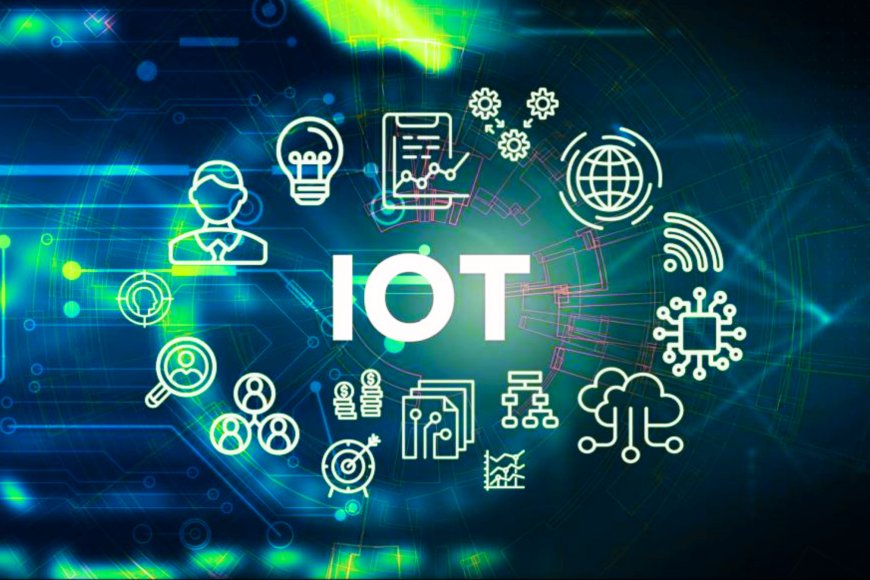
India is increasingly becoming a key participant in the global smart technology revolution. From voice-activated assistants and fitness trackers to connected lights and smart appliances, the Internet of Things (IoT) is changing the way we live and work. According to current industry trends, the number of smart gadgets in Indian homes is predicted to increase from 8-10% in 2023 to roughly 28% in 2028. This expansion is being driven by affordable technology, better internet connectivity, and an increasing desire for comfort and convenience. However, as India aspires for a more connected future, it is equally concerned about a growing cybersecurity risk.
As more products link to our smartphones and networks, the possibility of breaches grows. Cybercriminals are continuously seeking for vulnerabilities in smart gadgets that lack sufficient security. A simple example is when a surveillance system is left with its default password, such as "admin" or "1234." Hackers can readily exploit such flaws to gain access to personal information or remotely control devices.
The Growing Cybersecurity Challenge
India has made significant progress toward a secure digital ecosystem with measures such as the National Cyber Security Policy, the Digital Personal Data Protection Act, and the IT Act. Government organizations such as CERT-In and NCIIPC are working hard to safeguard key systems in industries like as power, energy, and banking. Despite these measures, cyber attacks are becoming increasingly advanced. Malware has become more sophisticated and difficult to detect, and many users continue to lack basic cyber hygiene. According to studies, more than half of Indian companies lack knowledge about how to establish proper security policies, leaving them vulnerable to data breaches.
Between 2019 and 2023, cybersecurity incidents in India increased fourfold, demonstrating how critical the problem has become. Financial institutions, which form the backbone of India's digital economy, are particularly vulnerable. As the use of digital payments and online banking grows, safeguarding these systems becomes increasingly important for protecting client data and preserving confidence.
Security Gaps That Make Smart Devices Vulnerable
One of the biggest cybersecurity challenges today comes from insecure IoT devices that are rapidly entering homes and workplaces. Many affordable smart gadgets, such as connected cameras, speakers, and appliances, are designed for convenience but often lack proper built-in security. These devices may store personal or sensitive data without encryption, leaving it exposed to unauthorized access. In many cases, they also don’t receive regular firmware or security updates, which means known vulnerabilities remain open for exploitation. Weak or default passwords make the problem worse, giving cybercriminals easy entry points into entire home networks.
Wireless connectivity further adds to the risk. Bluetooth and Wi-Fi connections, while essential for communication between devices can be exploited by hackers through techniques such as man-in-the-middle attacks, where data is intercepted or altered during transmission. Attackers can even gain remote control of connected systems, turning everyday devices into tools for spying or disruption. In critical areas like smart healthcare equipment or home surveillance systems, these vulnerabilities pose serious threats to both personal privacy and physical safety. Without proper security measures, the same technology designed to make life easier can quickly become a gateway for cyberattacks.
Building a Safer IoT Ecosystem
To ensure India's connected future, regulation and awareness must increase. The government can set the standard by requiring all smart devices to include robust security features including encrypted data transfer, secure firmware updates, and multi-factor authentication (MFA). Manufacturers must also be held accountable through frequent audits and rigorous security ratings for products.
At the same time, organizations must view cybersecurity as a requirement, not an expense. They should use safe programming procedures, test for vulnerabilities, and invest in threat detection systems. Employee cybersecurity training is just as important as consumer awareness efforts. The majority of incidents may be avoided by taking simple precautions such as using strong passwords, enabling MFA, and keeping software up to date.
Building a Safer and Smarter Digital Future
India stands on the edge of a digital revolution. The rise of IoT promises smarter cities, efficient industries, and better living standards. But this progress will only be sustainable if it’s secure by design. The future of India’s digital economy depends on the choices made today, by governments, industries, and individuals alike. Strengthening IoT security, improving cyber hygiene, and encouraging responsible digital practices will ensure that India’s connected world remains not just smart, but also safe, resilient, and future-ready.
Source: Economic Times