
AI Data Center Boom Pushes Hard Drive Prices Higher as Demand for Large-Scale Storage Grows
Rising AI data center demand and cloud storage expansion are driving higher hard disk drive prices, as HDDs remain essential for cost-efficient, large-scale data storage, long-term data retention, and enterprise backup solutions.
 Tech Author
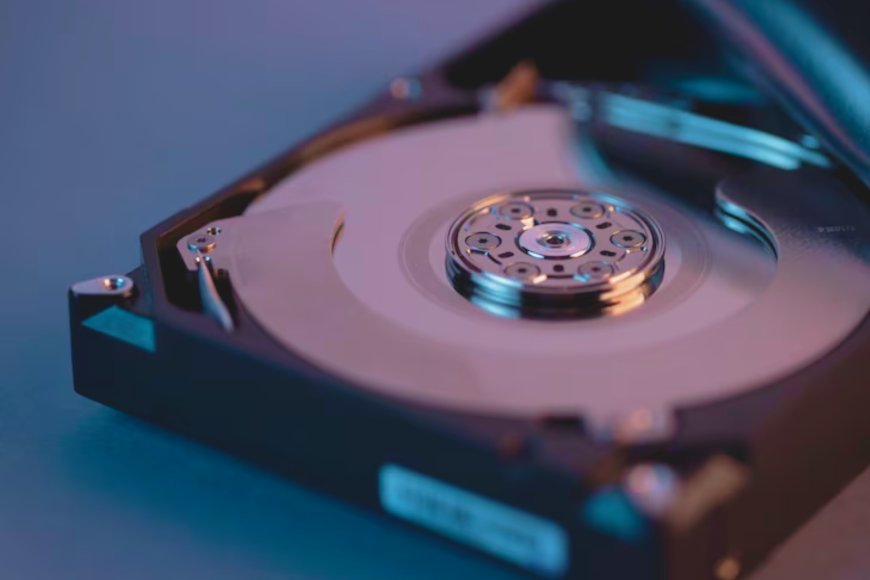
Hard drives are back in the spotlight, and not because they are outdated. According to new sources, HDD costs are rising, joining SSDs and RAM on the more pricey list of storage components. The primary reason for this shift is the huge demand from AI data centres and cloud infrastructure, which require massive quantities of dependable and economical storage.
AI systems generate and process massive amounts of data every day. While SSDs are utilised for speed-critical activities, hard drives are still the most cost-effective way to store massive datasets over time. For organisations creating huge data centres, cost per terabyte is more important than raw speed. HDDs continue to provide the best value for storing petabytes of data, which is why demand for enterprise hard drives is increasing rapidly.
According to industry reports, HDD contract prices increased by around 4% in the fourth quarter of 2025. This is the largest price increase noticed in nearly two years. Analysts predict this tendency will continue as supply struggles to meet demand. Cloud providers, hyperscale data centres, and artificial intelligence businesses are all fighting for the same high-capacity hard drives, placing pressure on manufacturers.
Another key driver of HDD demand is China's PC industry. Government policies that promote the use of locally manufactured processors and software have increased PC sales. To save money, many of these systems use hard drives rather than solid state drives. The unexpected increase in consumer and commercial demand is pushing the HDD supply chain to its limits.
Even after years of predictions that SSDs will entirely replace hard drives, HDDs remain an important component. One significant advantage is long-term data storage. Unlike SSDs, which continue to raise issues about data preservation after many years, hard drives are reliable for archival and backup storage. This makes them ideal for AI training data, video archives, and large raw datasets.
Manufacturers are already running production lines at near full capacity. On top of that, HDDs require DRAM chips for caching, and rising memory prices are creating additional challenges. If production remains tight, experts warn that a hard drive shortage could emerge in 2026, especially if companies focus more on higher-margin enterprise products.
New technologies like HAMR promise higher storage capacity and better efficiency, but widespread adoption will take time. Until then, hard disk drives are set to remain a critical part of the global storage ecosystem, even as prices continue to climb.
Information referenced in this article is from Club 386