Why Secure IT Asset Disposal Is Essential for Data Security, Compliance, and Sustainability
Secure IT asset disposal is critical for data security, regulatory compliance, revenue recovery, and sustainability. Proper IT asset destruction helps organizations prevent data breaches, avoid legal penalties, and responsibly manage electronic waste in modern IT environments.
 Tech Author
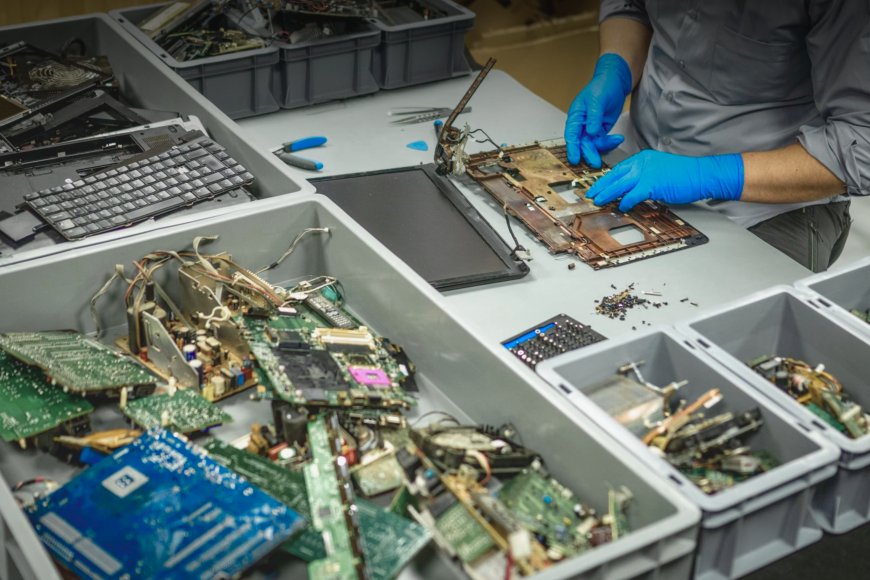
As technology advances at a quick pace, data centres and IT-driven organisations are continually updating servers, storage systems, and networking equipment. While modernizing infrastructure is critical for performance and efficiency, it also poses a significant challenge that how to securely dispose outdated IT assets. This procedure, known as IT asset disposal (ITAD), is often overlooked despite its importance in security, compliance, revenue recovery, and sustainability.
Key Considerations in Secure and Responsible IT Asset Disposal
One of the first responsibilities for organizations is to stay actively involved in the IT asset disposal process. IT equipment loses value quickly over time, and delaying retirement can result in financial loss. By tracking assets throughout their lifecycle and planning timely decommissioning, organizations can reduce depreciation and recover more value from reusable components.
Data security is another key concern during IT asset disposal. Retired equipment often contains sensitive business or customer data. Simply removing hardware from a data center without proper data destruction can expose organizations to serious risks. Secure data erasure or physical destruction of storage media is essential to ensure that no recoverable data remains. Decisions such as whether data destruction should happen on-site or off-site, and how equipment is transported, must be handled carefully to avoid data leaks.
Environmental responsibility is equally important. IT hardware is classified as electronic waste and must be disposed of according to environmental regulations. Improper handling can lead to legal penalties and damage an organization’s public image. Many companies also have sustainability goals, and responsible recycling of IT equipment helps meet these commitments while reducing environmental harm.
Risks and Consequences of Improper IT Asset Disposal
When IT assets are not properly disposed of, firms may face severe legal, financial, and reputational effects. Improper disposal of electronic waste can result in regulatory penalties and large fines for violating environmental laws. Discarded gadgets that still hold data may reveal critical information, resulting in data breaches, financial losses, and a loss of customer trust. Public exposure of such occurrences can harm brand reputation, particularly in an era where sustainability and data privacy are closely monitored. Furthermore, careless disposal can contribute to environmental pollution and unsafe labor practices, causing ethical problems and long-term environmental hazards.
Why Continuous Monitoring and Documentation Matter in IT Asset Disposal
Because equipment value can quickly decline if assets are not tracked and processed promptly, ongoing monitoring of retired IT assets is essential. Organizations may lose potential recycling or resale value without proper monitoring, resulting in unnecessary financial losses. It might be challenging to coordinate assets between the operations and finance teams due to accountability gaps caused by unclear documentation and reporting. Conflicts with disposal vendors, audit failures, or compliance problems could arise from this. Missing records can sometimes give rise to worries about environmental responsibility and data security. Transparency is ensured, corporate interests are safeguarded, and financial accuracy and regulatory compliance are supported by regular tracking, reporting, and reconciliation.
Why IT Asset Disposal Is a Strategic Business Responsibility
In today’s digital-first world, IT asset disposal is no longer just an operational task. It is a strategic responsibility that protects data, supports sustainability, ensures compliance, and safeguards business reputation. When handled correctly, IT asset disposal becomes a valuable part of modern IT management rather than a hidden risk.