DoT Pushes SIM-Binding to Prevent WhatsApp-Based Digital Arrest Scams
Government directs SIM-binding for WhatsApp to curb digital arrest scams, strengthens SIM verification, blocks spoofed calls, and deploys AI-based fraud detection to enhance cybersecurity and prevent online financial fraud in India.
 Tech Author
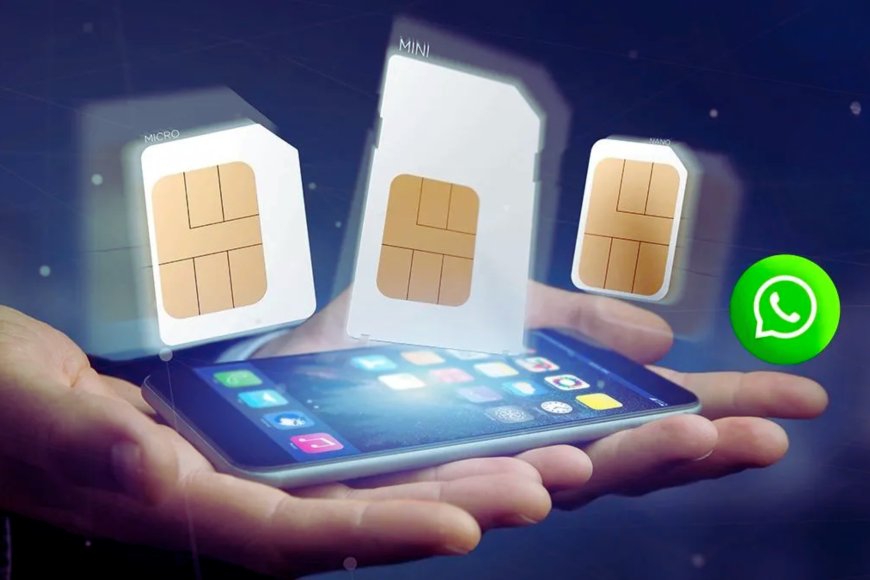
The Indian government has made a significant step in combating the growing risk of digital arrest frauds by instructing telecom authorities to implement SIM-binding for apps such as WhatsApp. The Department of Telecommunications (DoT), which is part of the Ministry of Electronics and Information Technology (MeitY), informed the Supreme Court that steps are being taken to tighten the connection between SIM cards and users in order to avoid misuse in online fraud cases.
This update was provided in a status initiated by the Supreme Court in October 2025. The case seeks to address the growing number of scams in which fraudsters imitate officials from agencies such as the CBI, Intelligence Bureau, and even the judiciary. In one horrifying case, a senior citizen couple lost ₹1.5 crore to scammers. The CBI has detected approximately ₹10 crore received through digital arrest scams.
An inter-departmental committee has been formed to study the issue. The report said that misuse of platforms, especially WhatsApp, has become a major tool for scammers. SIM-binding is being seen as a possible solution to track and control fraudulent activities linked to fake SIM cards. The committee also discussed problems in SIM issuance and management. Under current rules, a person can get up to three SIM cards per day from a telecom service provider. However, there is no system to track if someone is taking SIMs from different providers on the same day. The government has promised to explore stronger technical controls.
The Department of Telecommunications (DoT) also highlighted the strong action taken against spoofed international calls, which are often used in digital arrest scams. These are fake calls that appear to come from Indian mobile numbers but are actually made from foreign countries. To stop this, the government introduced a system called Central International Out Roamer (CIOR) in October 2024. Using this system, authorities were able to block more than 1.35 crore suspicious calls in just one month. Since then, the number of such fake calls has dropped sharply to around 1.5 lakh, showing that the monitoring system is working effectively.
Along with blocking fake calls, the government is also tightening SIM card verification rules. Under the Telecommunications Act, 2023, new provisions now allow biometric verification during SIM issuance. This means users may be required to verify their identity using fingerprint or other biometric data, making it harder for fraudsters to obtain SIM cards using fake documents. Banks are also using AI technology to detect suspicious transactions linked to digital fraud.
Overall, the government's decision to impose SIM-binding and tougher verification regulations demonstrates a real commitment to combating digital arrest scams in India. Authorities hope to prevent cybercrime and protect citizens by implementing better monitoring systems, biometric SIM checks, and AI-based fraud detection. Quick and tight execution of these steps will be critical to enhancing digital security and regaining public trust.
Information referenced in this article is from Bar & Bench