DoT Tightens Digital Security With SIM Binding and Six-Hour Logout Rules for Major Messaging Platforms
India’s new DoT rules mandate SIM binding and six-hour logout cycles for WhatsApp, Telegram and Signal to curb rising cyber fraud, increasing focus on digital security, user verification and stricter control of messaging platforms.
 Tech Author
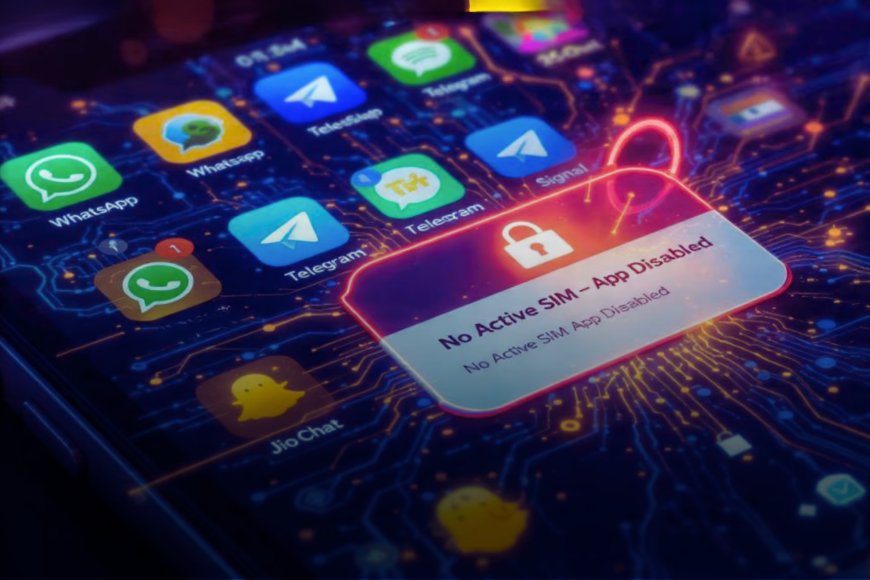
The Union government has issued new guidelines that would affect how popular messaging platforms such as WhatsApp, Telegram, and Signal operate in India. According to the order, these apps will only operate when the same SIM card used during signup is present in the device beginning in February 2026. If the SIM card is removed, the service will stop working. In addition, users will be automatically logged out of web-based chat conversations every six hours to increase security.
These new rules are intended to reduce cyber fraud, which has increased significantly across the country. Officials warn that many fraudsters use WhatsApp without maintaining their registered SIM cards in their phones, making it difficult for investigators to trace them down. The government believes that "SIM binding" will make it easier to identify offenders and prevent the usage of messaging apps from outside India.
However, the decision has sparked worry among digital platforms and industry professionals. They believe that such recommendations may cause difficulties for regular users who switch devices frequently or spend lengthy periods of time on WhatsApp Web. Some industry analysts have also noted that no public engagement or technical analysis was conducted prior to the issue of these laws, raising concerns about whether fraudsters will be stopped or will just discover methods around the restrictions.
The Department of Telecommunications (DoT), which primarily regulates telecom networks, is expanding into internet-based services. This adjustment follows the introduction of new Cyber Security Rules 2024 earlier this year, which expanded DoT's authority. The guidelines describe "Telecommunication Identifier User Entities" as any service that uses mobile numbers for user authentication, such as e-commerce, financial, mobility apps, and social networking platforms.
Digital sector associations such as the Internet and Mobile Association of India, argue that these laws are excessive and may have an impact on a wide spectrum of online businesses. They warn that enforcing severe rules on apps that use mobile numbers may have an impact on user experience, operations, and even innovation throughout the digital ecosystem. Meanwhile, telecom companies have urged the government to take more action because they have stringent anti-spam legislation, and fraud frequently occurs through messaging apps beyond their control.
These new SIM verification laws, which combine user safety, cyber fraud protection, and digital governance, represent a significant shift in India's communication ecosystem. The coming months will reveal how platforms adapt and how consumers react to a more tightly restricted message environment.
Information referenced in this article is from The Hindu