
WhatsApp Username Update Faces Government Scrutiny Over Cybersecurity and Identity Protection
WhatsApp username feature rollout in India has been paused by MeitY over cybersecurity, impersonation, and fraud concerns, with Meta asked to explain security safeguards before the new WhatsApp update receives approval.
 Tech Author
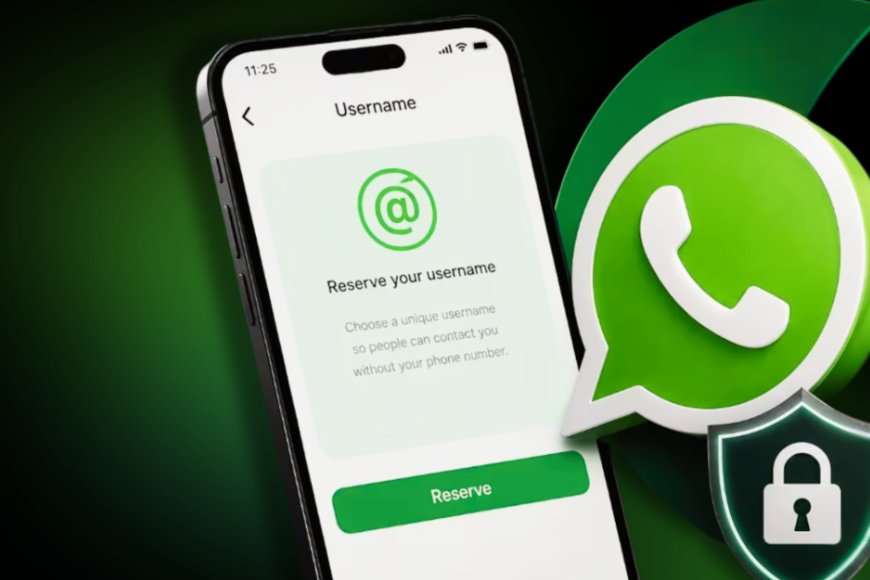
The Ministry of Electronics and Information Technology (MeitY) in India asked that Meta-owned WhatsApp halt the release of the username feature. Additionally, the government has asked for a detailed explanation of the feature's operation and the security precautions that would be taken to guard against fraud, impersonation, and cybercrime.
Instead of exchanging mobile numbers, the proposed WhatsApp update would enable users to interact using distinct usernames. Similar functionalities are currently available on apps like Telegram, Signal, Discord, and X. By hiding personal phone numbers when interacting with people, companies, or communities, the primary objective is to enhance user privacy.
While the function gives improved privacy, the government is concerned that it could also make it simpler for scammers to create fake identities. Officials worry that scammers might use identities that look similar to banks, government institutions, police personnel, or well-known companies to deceive individuals into revealing personal or financial information. Phishing attempts, digital arrest and online fraud have all sharply increased in India in recent years. For this reason, before making the service available to millions of Indian customers, MeitY wants to make sure WhatsApp has robust authentication procedures and security measures.
According to reports, WhatsApp has been requested by the government to describe how it will prevent fake usernames, respond to concerns about impersonation, safeguard verified accounts, and promptly remove fraudulent profiles. Officials are particularly curious about how users will be identified by law enforcement if they communicate mostly via usernames rather than phone numbers.
According to WhatsApp, the username feature already contains protections against abuse and is intended to enhance privacy. The corporation is anticipated to work closely with Indian authorities and may deploy extra India-specific security measures if required. The discussions are likely to establish when and how the feature will be launched in the country. The government could authorize the rollout after examining the security framework or urge WhatsApp to make extra modifications before launching it.
These highlights India's growing focus on digital safety and responsible technology. As messaging apps become an important part of daily communication, regulators want companies to balance user privacy with strong cybersecurity measures. The outcome of these discussions could also shape how future digital identity features are introduced on major online platforms in India.
Information referenced in this article if from ET CISO