ChatGPT Can Now Shop for You as Visa Introduces AI-Powered Payment and Checkout Features
ChatGPT shopping is becoming a reality as Visa partners with OpenAI to enable AI-powered purchases through Visa AI payments, offering secure transactions, fraud monitoring, and consumer protection features.
 Tech Author
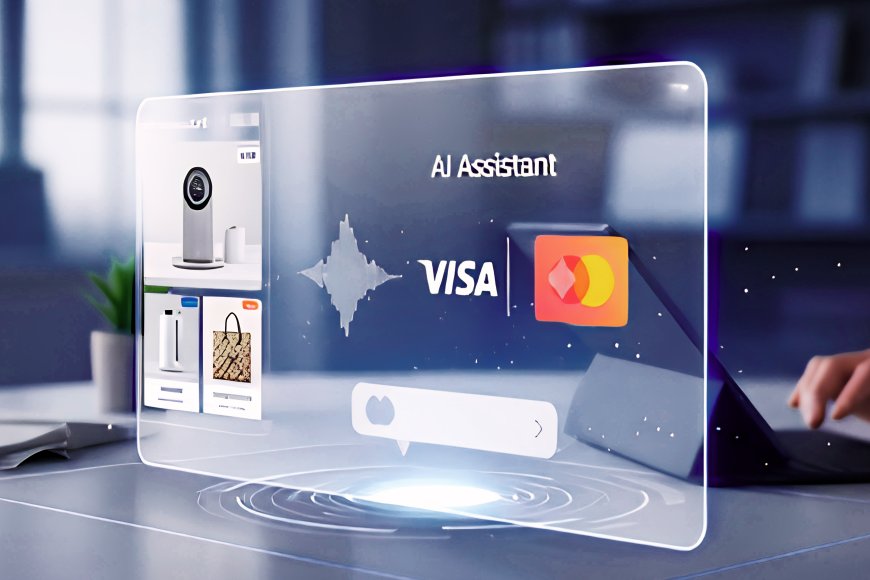
The future of online shopping could be very different. Visa has launched a new partnership with OpenAI that would enable ChatGPT to not only propose things but also make purchases on the user's behalf. The move is a significant step forward in the development of AI purchasing and has the potential to revolutionize how people buy things online.
The new method would allow users to link their Visa cards directly to ChatGPT. Once connected, the AI chatbot can search for products, compare alternatives, and even execute transactions with merchants who accept Visa payments. This means that individuals may soon rely on AI agents to make regular purchases ranging from groceries to flight tickets and electronics.
This is not OpenAI's first step into AI-powered commerce. Last year, ChatGPT introduced Instant Checkout, which enabled users to purchase things online. However, the program suffered issues such as merchant fees and limited acceptance, and was subsequently discontinued earlier this year.
Visa believes that its network can overcome these issues. The company will handle payment processing, transaction authorization, and fraud detection, while OpenAI will manage the AI engine that enables ChatGPT to make decisions and initiate purchases.
Despite the ease, the thought of AI spending money on behalf of consumers is concerning. Many users may be concerned about inadvertent purchases, overspending, fraud, or the AI selecting inappropriate products. Banks and retailers have also questioned how disputes and illegitimate transactions will be handled.
To address these concerns, Visa claims the system will feature a number of measures. Users can set spending limits, select approved merchants, and request purchase approvals before transactions are completed. These safeguards are intended to boost consumer confidence while lowering fraud risks. Visa executives acknowledge that trust will take time to develop. In the early stages, most AI purchases are expected to require human permission. As users gain trust, they may allow AI bots to make ordinary purchases on their own.
The collaboration represents the next stage of digital commerce, in which AI extends beyond answering queries and actively completes tasks. While widespread adoption may take some time, Visa and OpenAI believe AI-powered shopping assistants will eventually become a part of everyday life.
Information referenced in this article is from The Hindu