India’s SIM-Binding Plan Triggers Debate Over Privacy, User Convenience and Fraud Prevention
India’s plan to enforce SIM-binding for messaging apps has sparked concerns and debate, with industry groups questioning its feasibility, privacy impact and effectiveness in stopping online fraud, while warning of possible disruption to digital services and user experience.
 Tech Author
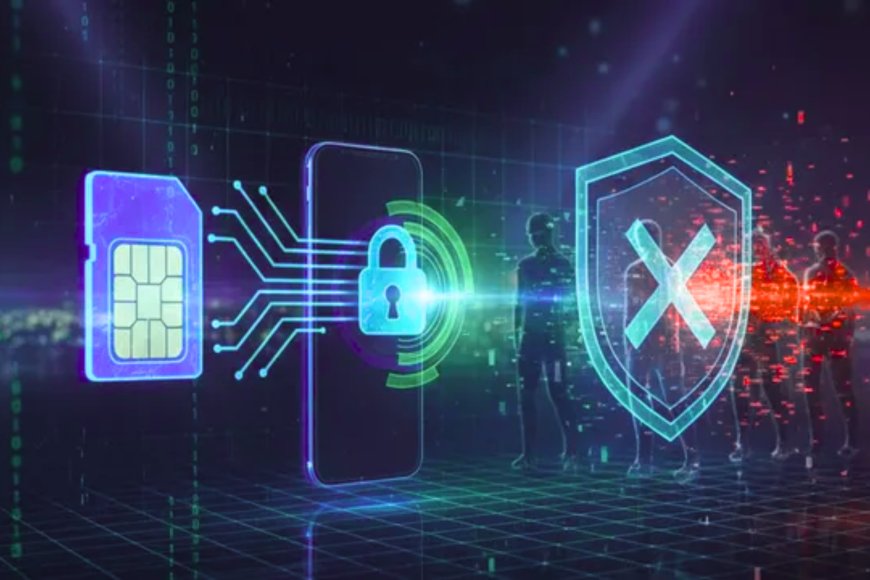
The Indian government is preparing to introduce a major security change for popular messaging apps such as WhatsApp, Telegram, Signal and Snapchat. The Department of Telecommunications (DoT) has directed these platforms to implement SIM-binding within 90 days. Once the rule comes into force in February 2026, messaging apps will work only if the SIM card used during registration remains inside the phone. If the SIM is removed, the app will stop working. In addition, web versions of these apps will automatically log users out every six hours, requiring fresh login using a QR code.
The move is aimed at reducing online fraud, spam messages and financial scams, which often rely on messaging apps. India’s leading telecom industry body, the Cellular Operators Association of India (COAI), has welcomed the decision. COAI, whose members include Airtel, Jio and Vodafone Idea, says SIM-binding will create a clear link between the user, mobile number and device. This link can make it harder for fraudsters to operate anonymously.
Regardless of the government's intentions, the SIM-binding decision has sparked an ongoing conflict within the digital ecosystem. Industry entities such as the Broadband India Forum (BIF) and the Internet and Mobile Association of India (IAMAI) have questioned how the rule was implemented. They argue that the decision was made without enough consultation with technology companies and other stakeholders. These organizations also contend that SIM-binding alone may not be sufficient to prevent online scams, as many fraudsters currently utilize SIM cards obtained through fake or stolen identification documents, allowing them to avoid simple checks.
To address these concerns, the Cellular Operators Association of India (COAI) has offered thorough clarifications. COAI claims that SIM-binding will not cause any inconvenience for regular users, especially those who move abroad. According to the telecom regulator, consumers can continue to use messaging apps over Wi-Fi or with a foreign SIM as long as their original Indian SIM card is still in the phone. COAI emphasizes that Indian users are already aware with this approach, as similar SIM-based verification is widely utilized in UPI payment apps, banking platforms, DigiLocker, and Aadhaar services, where security and identity checks are regarded critical.
COAI has also taken considerable measures to resolve privacy issues. The association stated that SIM-binding does not include gathering additional personal information or monitoring user conversations. The system merely checks for the presence of the registered SIM at login or periodic reauthentication. COAI claims that this limited check improves account security without compromising user privacy or introducing additional data-tracking risks.
There were also concerns about the effects of SIM-binding on enterprise messaging, customer communication tools, and business procedures. COAI has ensured that these services will continue to run smoothly. Business messaging systems, CRM platforms, and APIs will continue to function as long as user accounts or official numbers are linked to legitimate and confirmed SIM cards.
According to COAI, the overall aim of SIM-binding is to close long-standing security gaps in app-based communication, strengthen traceability, and reduce fraud, while keeping user convenience, privacy and business operations intact. Overall, SIM-binding is being positioned as a balanced digital security measure. The government and telecom operators believe it will strengthen user safety, reduce scams and improve trust in app-based communication, while still respecting privacy and convenience for millions of Indian users.
Information referenced in this article is from Times of India