Buying Low-Cost External Hard Drives Can Lead to Serious Data Privacy Issues
Buying low priced external hard drives may risk data security as used HDDs can contain recoverable personal and business data. Experts warn about improper data wiping, highlighting the importance of secure data erasure and storage safety.
 Tech Author
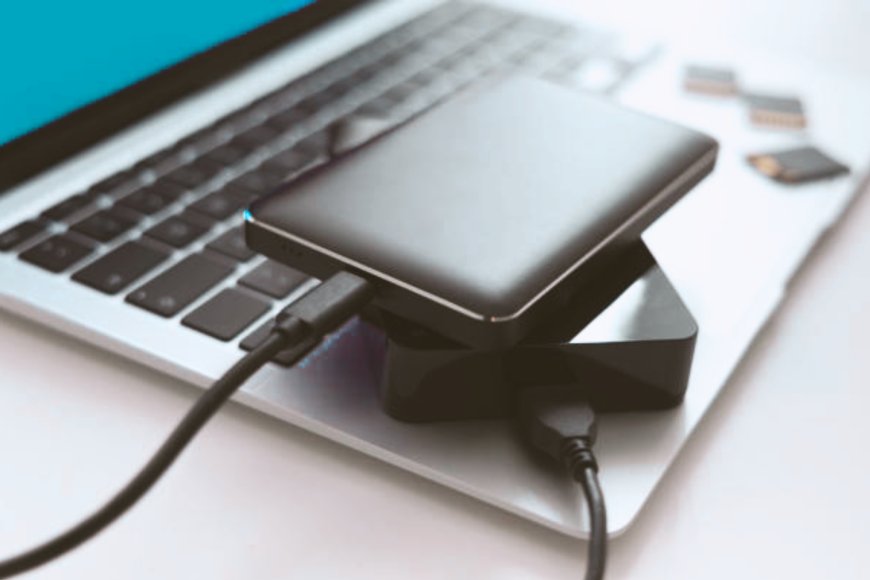
External hard drives are frequently used for data storage and backup, however buying cheaper devices from unknown sources might be risky. Many affordable storage devices on the market may not be newly manufactured. Instead, they can repackage older or refurbished hard drives and sell them as new, raising concerns about performance and data security.
Used Drives and Performance Issues
Older hard drives are often heavily used, as they may have been running for many years.Such drives typically show high usage in terms of power cycles and operating hours, which reduces their reliability and lifespan. As a result, users may experience issues such as slow performance, data errors, or sudden drive failure.
Data Privacy Risks in Storage Devices
One major concern with reused hard drives is the risk of leftover data remaining on the device. If a drive is not properly erased before resale, past user data may still be present, even if it appears to be empty. This data may comprise personal files and photographs, corporate documents and reports, or technical or secret information. This poses a significant data privacy and cybersecurity risk, as sensitive information can be accessed or recovered using data recovery tools.
Importance of Proper Data Erasure
To avoid data security risks, it is important to securely erase storage devices before selling or disposing of them. Simply formatting a hard drive does not permanently remove data, as files can still be recovered using basic tools. Instead, users should use reliable data erasure process that overwrites existing data multiple times. This process ensures that the information becomes completely unrecoverable. Taking this step helps protect personal, business, and sensitive data from unauthorized access or misuse after the device changes ownership.
Best Practices for Buyers and Sellers
Users should take preventative measures while dealing with storage devices:
- Buy external hard disks from reputable and certified brands.
- Avoid unusually low-priced products, which might indicate reused hardware.
- Before using the devices, ensure that it is in good condition and authentic.
- Before selling or disposing obsolete drives, ensure that all data is completely erased.
As the demand for storage devices increases, the risk of data leakage and hardware reliability issues also grows. Proper awareness and responsible handling of storage devices are essential to protect personal data, business information, and overall cybersecurity. Ensuring both device authenticity and secure data practices is critical in maintaining data safety in today’s digital environment.