AI and Cloud Storage Demand Push SSD Prices Higher Across Enterprise Storage Systems
SSD prices surge over 20 times higher than HDD storage, increasing enterprise storage costs for AI workloads and data centers. Experts recommend tiered storage solutions combining SSD and HDD for better cost efficiency.
 Tech Author
The cost of data storage for AI and enterprise applications is fast rising, particularly for solid state drives (SSDs). These drives are frequently utilized in modern systems because they provide fast speeds and superior performance, which is essential for technologies such as AI, GPUs, and high-performance computing (HPC).
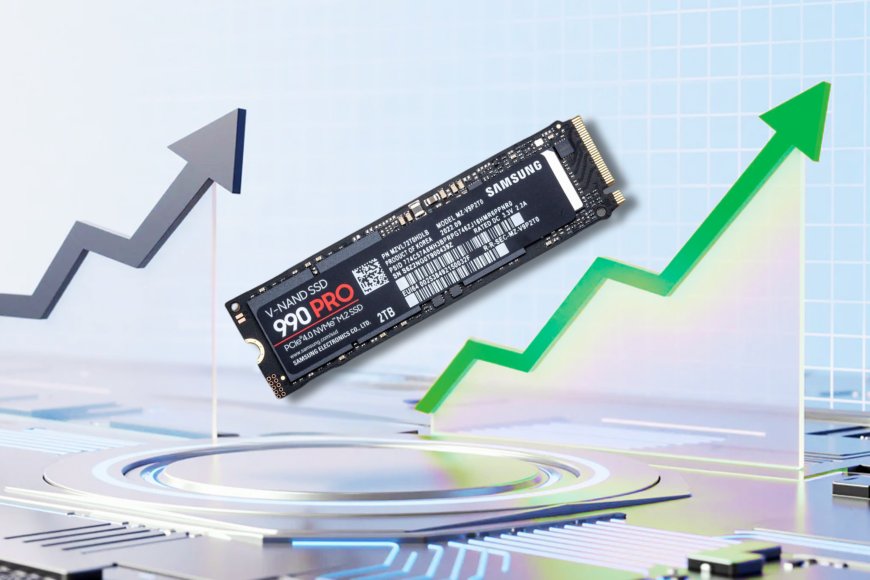
However, recent data indicates that SSDs are becoming significantly more expensive than traditional hard disk drives (HDDs). According to industry statistics, large capacity SSD storage costs more than 20 times more than HDD storage of the same capacity. This massive pricing gap is forcing businesses to reconsider their storage strategies for data centers and enterprise systems.
The demand for AI computing, cloud storage, and high-speed data processing has risen dramatically. This has resulted in increased demand for SSDs, particularly those utilized with high bandwidth memory (HBM) and GPUs. As a result, the price of SSDs has risen significantly. Reports indicate that:
- SSD prices rose considerably in early 2026.
- Some corporate SSDs suffered price rises of more than 400% within a year.
- In comparison, HDD costs rose relatively little.
This implies that, while SSDs provide faster performance, they are now significantly more expensive than HDDs for large storage needs.
For businesses managing massive data systems, the cost difference is critical. In one scenario, the cost of an all-SSD storage system rose from roughly $9 million to more than $48 million in just one year. This demonstrates how escalating SSD prices impact data center budgets and storage planning.
Due to the escalating cost of SSDs, many businesses are now implementing tiered storage solutions. This method uses both SSDs and HDDs to balance performance and cost. Tiered storage means that frequently used data is stored on fast SSDs, while less-used data is stored on HDDs. Data is moved between storage types based on usage. This allows businesses to decrease expenditures while retaining high performance.
As AI, cloud computing, and big data continue to grow, the demand for storage will increase further. However, the large price gap between SSDs and HDDs is expected to push more companies toward smart storage solutions like tiered storage. In the future, businesses will need to focus on cost-effective storage strategies that balance speed, performance, and budget.
This article is based on information from Forbes