Kaspersky Highlights Increasing Cybersecurity Risks from Malware and Phishing in India
Kaspersky reports over 4.7 crore cyber threats blocked in India in 2025, with rising phishing attacks, file-less malware, and email scams, highlighting growing cybersecurity risks and the urgent need for stronger online protection.
 Tech Author
Cyber threats are fast increasing in India, and a recent report from Kaspersky demonstrates how serious the issue has become. According to the company, over 4.7 crore web-based cyber threats were restricted in India in 2025, affecting over one-fourth of all internet users (24.7%). This demonstrates how widespread internet attacks have become in ordinary digital life.
According to Kaspersky, Indian users experience around 1.3 lakh cyber threats every day. The majority of these attacks were carried out using web browsers, taking use of vulnerabilities in browsers and plugins. This means that simply visiting unsafe websites can put people in risk.
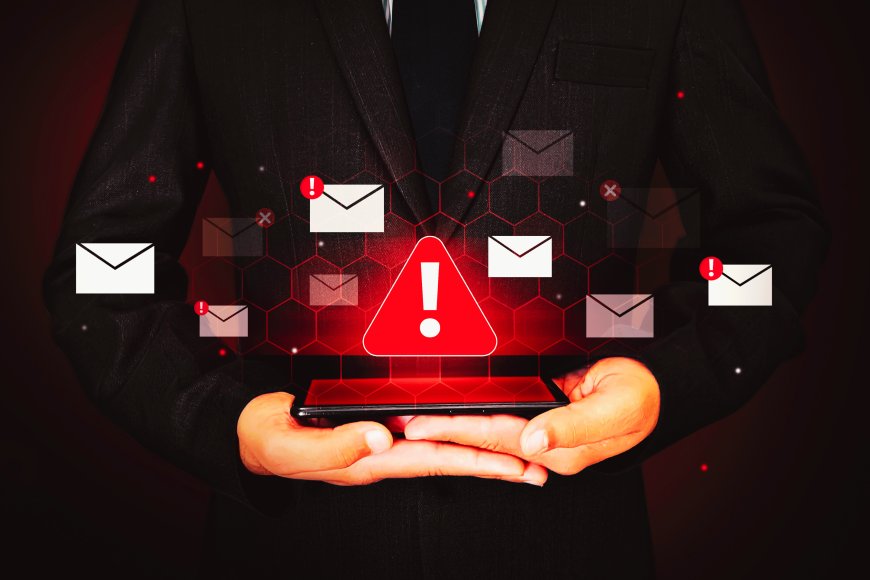
One of the most alarming is the spread of file-less malware. This sort of malware operates directly in the system's memory, leaving very minimal trace. This makes it more difficult to identify and remove, raising the risk to consumers and organizations. Cybercriminals also frequently employ emails to target people. Malicious email attacks climbed by 15% globally in 2025, with nearly every second email classified as spam or dangerous. The Asia Pacific region had the highest number of attacks via emails and attachments.
Phishing attacks are also becoming more complex. Hackers are now exploiting QR codes and protected links to conceal harmful URLs. When consumers scan these QR codes with their phones, they may unintentionally visit dangerous websites or share sensitive information.
Cybercriminals are also adapting their strategies, shifting interactions to messaging applications or phone calls. Victims are frequently deceived into providing personal and financial information. In India, there have been reports of "digital arrest" scams, in which scammers cause panic in order to get victims to pay.
The report clearly demonstrates that cyber attacks are growing increasingly sophisticated and broad. Users should remain aware, avoid clicking on suspicious links, and use up-to-date security software. Simple precautions like as safe browsing, email awareness, and frequent updates can significantly lower the danger of cyber attacks.
Information referenced in this article is from The Telegraph