Hijacked SIM Card: The Rise of SIM Swap Fraud in India
SIM swap fraud is rising in India, allowing cybercriminals to hijack mobile numbers, bypass OTP authentication, and access bank accounts. Experts warn users to strengthen mobile security and prevent identity theft.
 Tech Author
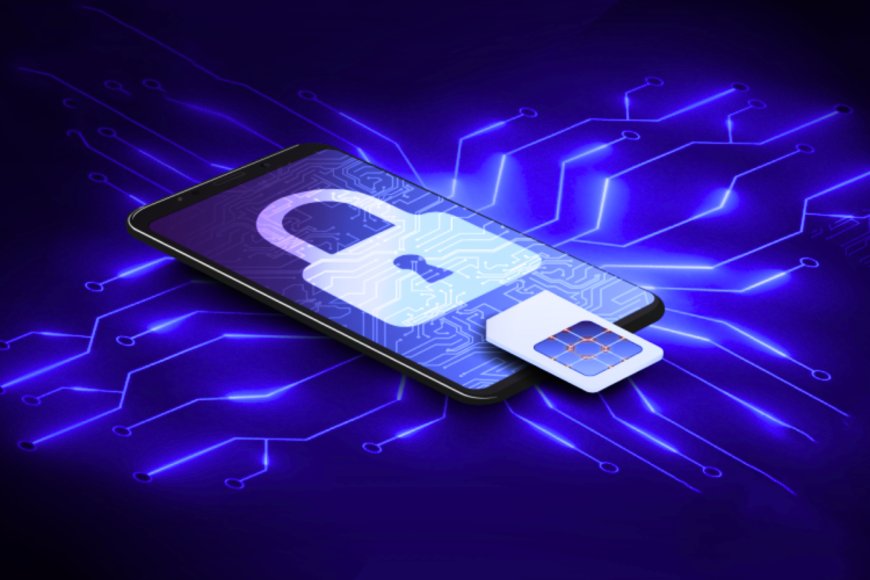
As India's digital economy grows rapidly, a severe cybercrime known as SIM swap fraud threatens users. This scam enables scammers to gain control of a person's mobile number and use it to access bank accounts, emails, social media, and other internet services. A little SIM card can become the master key to a person's complete digital existence.
A recent instance showed this growing concern. An Indian Army soldier stationed in a distant location unexpectedly lost mobile network access. It wasn't a technological problem. A fraudster tricked his telecom operator into issuing a duplicate SIM card in his name. When the new SIM was activated, the old SIM stopped working. The criminal quickly acquired access to his bank accounts via SMS-based OTPs and drained his money.
This kind of identity theft typically begins with phishing or social engineering. Cybercriminals obtain personal information from hacked databases, fake calls, or emails. Using this information, scammers convince telecom companies to move the victim's phone number to a new SIM card. After the SIM change, hackers acquire all OTPs and verification codes, making it simple to breach into banking apps and other internet accounts.
Many digital platforms still use SMS-based two-factor authentication, leaving them vulnerable to SIM swap attacks. Although systems like UPI have introduced additional security measures such as Aadhaar or debit card verification, experts warn that relying on a single security layer is insufficient.
To combat this problem, telecom and banking companies are implementing SIM binding methods. This method connects accounts to specific devices or SIM cards. If the SIM card is replaced without authority, access may be restricted or banned. However, instead of SMS OTPs, security experts propose using app-based authentication and hardware security keys.
SIM switch fraud is on the rise across India, and awareness is the first line of protection. Users should avoid sharing personal information, use robust authentication techniques, and notify their telecom operator right once if their mobile network suddenly stops working. In today's interconnected world, safeguarding your mobile number is as critical as protecting your bank account.
This article is based on information from The 420