Data Protection Practices to Prevent Cyberattacks and Data Breaches in Businesses
Rising cyber threats are increasing the need for strong data protection practices, including multi-factor authentication, data encryption, regular backups, employee cybersecurity training, endpoint security, and incident response planning to prevent data breaches and ransomware attacks.
 Tech Author
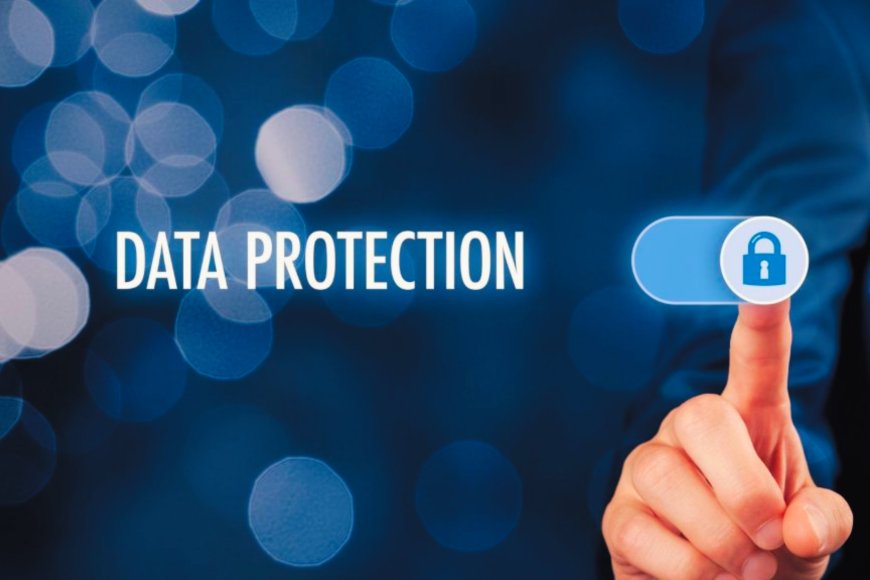
As cyber threats increase, data protection has become one of the top priorities for businesses and organizations. Most data breaches do not begin with complex hacking tactics. In many cases, they are caused by weak passwords, inadequate security management, a lack of employee awareness, or out-of-date technology. Businesses now keep vast volumes of customer information, employee records, financial information, and secret company data. A single security flaw can result in data theft, ransomware attacks, financial losses, legal penalties, and reputational damage.
To mitigate cybersecurity risks, experts propose implementing robust data protection best practices that assist prevent hacks before they escalate into severe security problems.
Security Steps to Protect Accounts and Sensitive Data
Using strong passwords, activating multi-factor authentication (MFA), and encrypting sensitive data are all critical steps toward greater cybersecurity protection. Weak or overused passwords make it easy to gain access to accounts and networks, therefore experts advocate using long and unique passwords for each platform. Password managers can also assist users in securely managing login credentials. Using MFA adds an extra level of protection by requiring additional authentication before account access is permitted. Furthermore, encryption helps to protect sensitive data by rendering it unreadable to unauthorized users, even if the data is stolen during storage or online transfer.
Regular Updates, Backups, and Device Security Are Important for Data Protection
Regular software updates are extremely important for cybersecurity because many cyberattacks target known security weaknesses that already have available fixes. Updating operating systems, applications, and security tools helps close these vulnerabilities and improves overall protection against hackers and malware attacks. Along with updates, organizations should also maintain regular data backups. Reliable backups help businesses recover quickly after ransomware attacks, accidental data loss, or hardware failures. In addition, devices such as laptops, smartphones, USB drives, and remote work systems should be secured through device encryption, automatic screen locks, and remote security management to strengthen endpoint protection.
Improve Employee Awareness and Control Data Access
Human mistake remains one of the leading sources of cyberattacks and data breaches. To increase cybersecurity awareness, organizations should train individuals on a regular basis to spot phishing emails, fake websites, suspicious links, and social engineering scams. Along with training, employers should restrict employee access to only the data and systems necessary for their respective tasks. This helps to limit insider risks, unintentional data leaks, and unauthorised access to sensitive information. Furthermore, ongoing monitoring of system activity is critical for spotting unusual login attempts, suspicious file transfers, and illegal access before they cause serious security problems.
Prepare an Incident Response Plan
Every organization should have a proper cybersecurity incident response plan to handle security breaches quickly and effectively. A clear response strategy helps teams reduce confusion, minimize downtime, protect sensitive data, and recover faster during cyberattacks, ransomware incidents, or other security emergencies that could affect business operations and customer trust.
Strong data protection is no longer optional in today’s digital world. Businesses that follow proper cybersecurity practices can better protect sensitive information, reduce cyber risks, and improve customer trust. Preventing data breaches through proper planning, employee awareness, and security management is far more effective than dealing with the damage after an attack happens.