Microsoft Warns of Sharp Rise in QR Code Phishing and Email Cyberattacks
Microsoft warns that QR code phishing attacks are rapidly increasing, with cybercriminals using malicious emails, fake CAPTCHA pages, and harmful QR codes to steal passwords, banking details, and sensitive user data worldwide.
 Tech Author
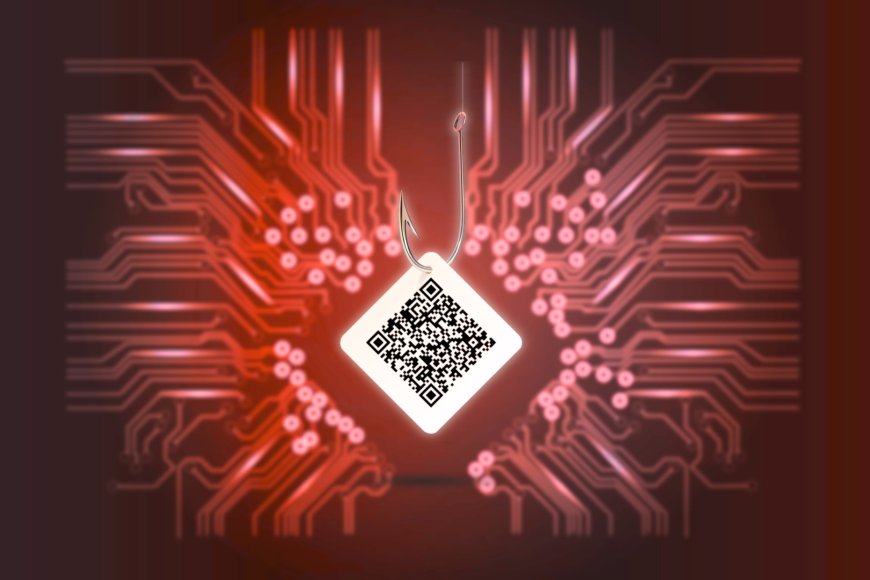
Microsoft has warned of an enormous rise in QR code phishing attacks, exposing a growing cybersecurity concern to email users worldwide. According to a recent research from Microsoft Threat Intelligence and the Microsoft Defender Security Research Team, fraudsters are increasingly employing malicious QR codes to steal user credentials and distribute malware.
According to the report, between January and March 2026, Microsoft detected approximately 8.3 billion phishing threats via email. Among all attack tactics, QR code phishing grew the fastest throughout this time. Microsoft reported that QR code phishing attacks jumped from roughly 7.6 million in January to 18.7 million in March, indicating a significant surge in cybercriminal activity. Security experts say this growing trend is becoming a major concern because many users trust QR codes and scan them without verifying their source.
In QR code phishing attacks, hackers insert malicious links into QR codes and distribute them via emails, attachments, or forged papers. When customers scan these codes with their cellphones or gadgets, they are directed to fake websites that steal passwords, banking information, or login credentials.
These fake pages frequently resemble legitimate websites, making it harder for users to detect the scam. Cybercriminals often utilize fake login sites, PDF attachments, fraudulent documents, email-based QR codes, and business messaging to deceive victims into scanning codes.
The report also highlighted another growing technique called CAPTCHA-gated phishing. In this method, attackers use fake CAPTCHA verification pages to make users believe a website is legitimate before redirecting them to harmful content. Hackers use these fake CAPTCHA pages to avoid detection by automated security systems and increase the chances of successful phishing attacks. Attackers are also adding fake confidentiality disclaimers in emails to make scam messages appear more professional and trustworthy.
Earlier this year, the Federal Bureau of Investigation (FBI) alerted consumers about continuous phishing attempts related to cybercrime groups. Cybersecurity experts believe that phishing attempts are growing more advanced as hackers employ new technology and social engineering techniques to target people.
Cybersecurity experts recommend users stay cautious to avoid QR code phishing attacks and other email scams. People should avoid scanning QR codes received from unknown or suspicious emails and always verify website links before entering passwords or login information. Users are also advised not to open suspicious attachments and to enable multi-factor authentication (MFA) for additional account security. Keeping antivirus software and security systems updated is equally important for protection against cyber threats. Experts further warn users to be careful with emails that create urgency or ask for sensitive personal or banking information.
The rapid rise of QR code phishing attempts demonstrates how fraudsters are continually adapting their strategies for targeting individuals online. As phishing scams get more sophisticated, cybersecurity awareness and safe browsing habits become critical for safeguarding personal data, banking information, and online accounts from digital threats.
This article is based on information from The Hindu