
India’s Digital Security Push: CNAP and SIM-Binding to Reduce Scam Calls and Online Fraud
India plans new telecom security rules like CNAP and SIM-binding to combat cyber fraud, stop scam calls, prevent messaging app misuse, and strengthen digital safety for users amid rising online scams.
 Tech Author
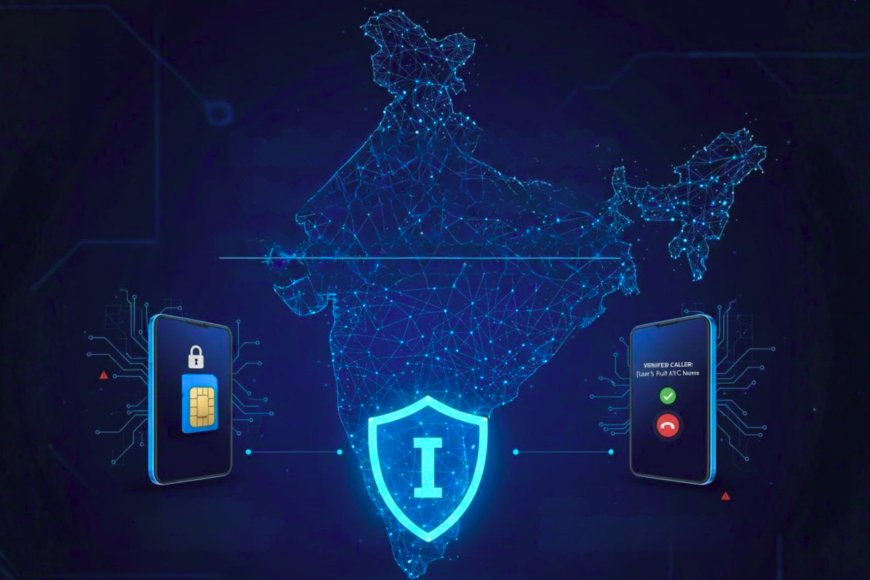
India is entering a more robust and organised phase of its campaign against cybercrime. The government is preparing new telecom and digital security regulations that might alter how people receive calls and use messaging applications, given the annual rise in online frauds that cause enormous financial and mental losses. The emphasis is now on long-term solutions that fill gaps frequently exploited by fraudsters rather than temporary solutions. By 2026, it is anticipated that these improvements will be fully implemented.
Money is no longer the only factor in cybercrime. Phishing calls, identity theft, and fraudulent investment proposals have cost many people their whole life savings. When victims realised they had been deceived, they were deeply devastated in a number of situations. Since many of these scams are operated outside of India, it is more difficult to find the fraudsters or retrieve money that has been taken. Regulators and digital authorities are now collaborating more closely to safeguard users as a result of this growing threat.
New Telecom Measures Set to Strengthen Call and Messaging Security
Certain steps have been taken. SIM card verification has been tightened to reduce misuse. Now, dedicated number series help identify business and promotional calls. After widespread scamming, some digital payment features were limited. A digital consent mechanism is also being tried to give individuals more control over marketing message permissions they may have unintentionally shared.
CNAP (Calling Name Presentation) fights impersonation fraud, a popular scam. Fraudsters impersonate bank employees, government officials, delivery agents, and family members. CNAP displays the verified caller name on the phone screen during incoming calls. Official SIM registration details will be used for this identity, allowing users immediately verify calls. CNAP might become a telecom network standard by early 2026 if pilot tests succeed. This might drastically reduce blind trust for unknown calls.
The second important modification tackles messaging fraud. Despite operating abroad, many scammers utilise Indian phone numbers to appear legitimate. After the scam, the SIM may be discarded, making tracking difficult. SIM-binding fixes this by requiring the SIM card to be activated for the messaging app to work. Messaging stops if the SIM is removed or disabled.
A Major Step Forward in India’s Fight against Cyber Fraud
Together, CNAP and SIM-binding could mark a major shift in India’s digital security landscape. By improving caller transparency and tightening control over messaging accounts, these measures aim to reduce cyber fraud, protect users, and restore trust in digital communication.
Information referenced in this article is from India Today