Why Every Business Must Strengthen Cybersecurity to Prevent Data Breaches
Small and medium businesses face rising cyberattacks as hackers target weak security, making cybersecurity awareness, access control, strong authentication, and data protection essential to prevent data breaches, financial loss, and customer trust damage.
 Tech Author
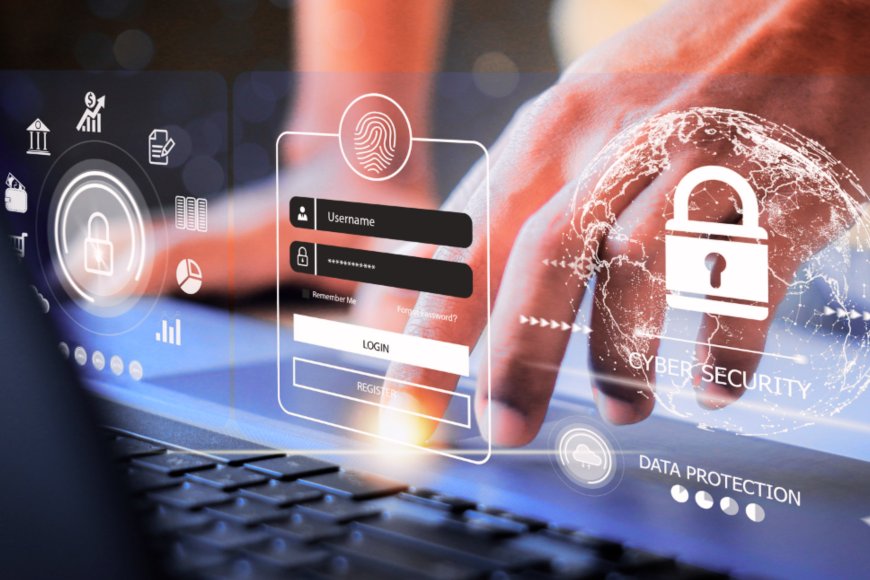
Cybercrime continues to grow every year, and businesses are facing more threats than ever before. In the past, large companies were seen as the main targets for hackers because they had more money and data. However, recent trends show a clear shift. Small and medium-sized businesses (SMBs) are now becoming the most common targets for cyberattacks, and this change has raised serious concerns for business owners.
Why Small and Medium Businesses Are the Primary Targets of Cyberattacks
One major reason for this shift is that large organizations have invested heavily in cybersecurity and are less likely to give in to ransom demands. As a result, cybercriminals are turning their attention to smaller businesses, which often have limited security budgets and fewer protections in place. While the amount of money stolen from a single small business may be lower, attackers make up for it by targeting many such businesses at the same time. This strategy has proven effective, making SMBs a preferred target.
Data from recent breaches shows how serious the situation has become. A large number of small and mid-sized companies across different sectors have suffered major data leaks. Customer names, phone numbers, email addresses, passwords, and even financial details have been exposed and later found circulating online. In many cases, businesses were unaware of the breach until the stolen data appeared on illegal marketplaces. This highlights how vulnerable SMBs can be without proper security measures.
Several key patterns emerged from cyber incidents in 2025. Businesses with fewer than 250 employees accounted for the majority of reported data breaches. Sectors such as retail, technology, and media were targeted most often. Personal details like names and email addresses were the most commonly leaked data, which increases the risk of phishing attacks and identity theft. These trends suggest that hackers are likely to continue focusing on SMBs in the coming year.
How Businesses Can Prevent Data Breaches and Reduce Cyber Risks
- Enable two-step verification: Adding an extra layer of authentication during login makes it much more difficult for attackers to break into business accounts, even if a password is compromised.
- Control user access carefully: Employees should only be given access to the systems and data required for their job roles. This limits exposure and reduces the impact of a potential breach.
- Secure critical systems: Sensitive business systems should have additional protection to ensure that unauthorized access does not lead to widespread damage.
- Follow strong password practices: Using complex, unique passwords for each account and avoiding password reuse helps block common hacking techniques.
- Store credentials securely: Login details and sensitive information should be stored in a secure and protected environment to prevent misuse or theft.
- Maintain visibility over data: Businesses should clearly understand where their sensitive data is stored and how it is protected, enabling faster response in case of a security incident.
Cybersecurity Awareness Is a Business Necessity
Cyber threats are becoming more advanced and more frequent each year. Small businesses can no longer rely on basic security measures alone. Awareness and simple preventive actions can significantly reduce cyber risks. Protecting data also protects customer trust and business reputation. Acting early helps avoid costly losses and ensures long-term business stability.