India Moves to Ban Chinese CCTV Cameras Including Hikvision and Dahua Under New Security Rules to Protect Surveillance Systems
India plans to restrict Chinese CCTV cameras from Hikvision and Dahua under new security rules. Mandatory certification, chipset origin checks, and vulnerability testing aim to protect surveillance systems, boost Indian CCTV brands, and strengthen cybersecurity.
 Tech Author
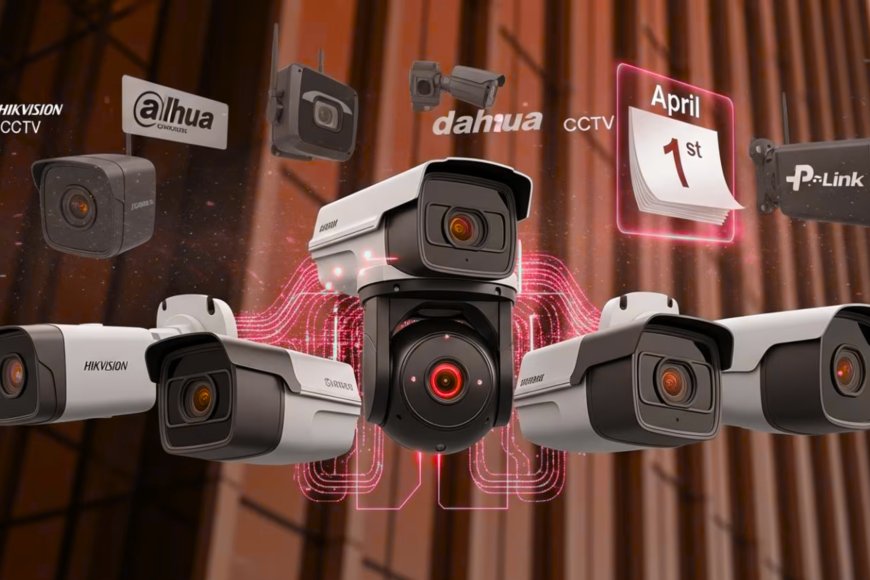
The Indian government intends to prohibit Chinese CCTV cameras from selling internet-connected surveillance devices in the country from April 1. According to reports, companies such as Hikvision and Dahua may be barred from selling some CCTV products in India if they do not comply with the government's new security regulations. This action is part of India's ongoing efforts to improve cybersecurity, secure data, and eliminate security concerns from surveillance systems.
The decision comes after the government issued Essential Requirements (ER) standards for CCTV cameras in April 2024 through the Ministry of Electronics and Information Technology (MeITY). These regulations were enacted to increase the security and transparency of surveillance equipment used in India.
Under the new rules, CCTV manufacturers must:
- Declare the country of origin of important components such as the System-on-Chip (SoC).
- Test devices for security vulnerabilities that may allow hackers or unknown users to access cameras remotely.
- Get CCTV products certified through the government’s Standardisation Testing and Quality Certification (STQC) process.
The government granted businesses a two-year transition period to comply with these rules. However, reports indicate that many Chinese brands have struggled to fulfill these stringent standards.
So far, only 507 CCTV camera models have been government-certified under the new rules. Devices that do not fulfill these security criteria may not be marketed in India. This more stringent method attempts to prevent unauthorized remote access and protect users from potential surveillance concerns.
Several companies have already been affected by the new regulations. Dahua, a Chinese brand that was once India's second-largest CCTV provider, is now apparently only selling analog cameras. Other corporations have also pulled back from the market. Xiaomi and Realme, two popular smartphone makers, are reportedly exiting the smart home camera category in India after failing to get certification.
The new regulations have caused a significant shift in the Indian CCTV market. Previously, Chinese businesses controlled almost one-third of CCTV sales in India. However, recent data show that Indian enterprises now control more than 80% of the market as of February 2026. Leading Indian brands that will gain from this move include CP Plus, Qubo, Prama, Matrix, and Sparsh. Many of these companies have started to use Taiwanese chipsets and locally built software to meet government security requirements.
Experts believe the new restrictions will boost security, preserve privacy, and reinforce India's monitoring infrastructure. For consumers and organizations, the key message is clear that always select certified CCTV cameras that exceed government security requirements. This contributes to greater protection against hacking, remote access dangers, and data privacy risks, while also promoting secure and locally compliant surveillance technologies in India.
Information referenced in this article is from Mint