
Facial Recognition Security System Helps Track Suspects and Improve Safety at Railway Stations
Facial Recognition System (FRS) linked to CCTV cameras is helping Mumbai Police solve crimes faster and find missing children. The AI-powered surveillance technology improves railway security, suspect tracking, and public safety across busy stations.
 Tech Author
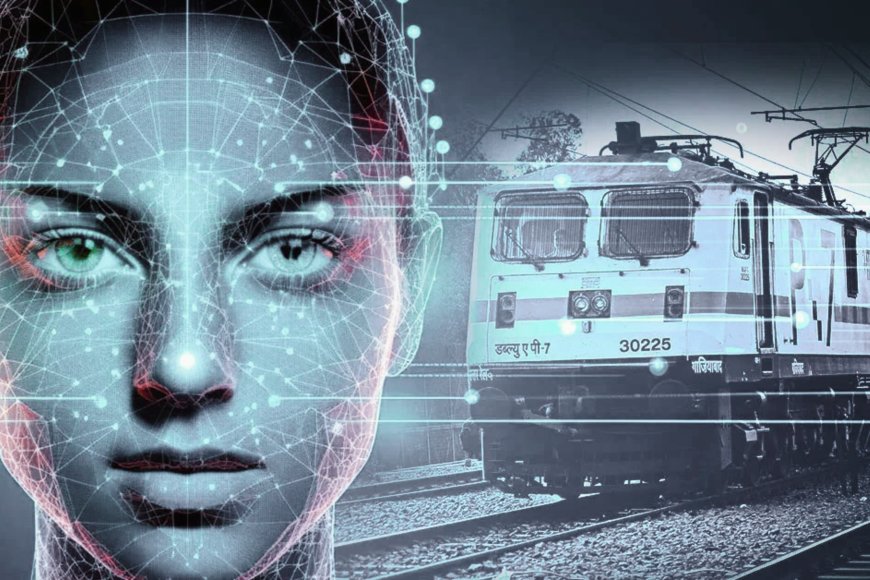
Modern technology is significantly boosting public safety and crime investigation in India. One such technology is the Facial Recognition System (FRS), which is being used by police and railway officials to track down offenders and locate missing individuals more quickly.
Recently, many key cases were solved using facial recognition technology linked to CCTV cameras in the Mumbai railway network. These include the arrest of men accused of harassing a tourist, tracking a missing teenager, and identifying suspects involved in violent incidents.
In an instance, a Portuguese tourist reported harassment near the Mahalaxmi Railway Station. Police were originally unable to identify those responsible using their own CCTV network. However, screenshots from the tourist's video were submitted to the facial recognition system, which recognized the suspects using previously captured footage at the Marine Lines station. This allowed authorities to rapidly track down and arrest the accused. In another example, a Mumbai professor was attacked at Malad railway station, prompting investigators to enter the suspect's image into the system. The algorithms found a pattern, indicating that the suspect took the same rail route every day. This information assisted authorities in locating and arresting him.
The Facial Recognition System (FRS) operates by analyzing a person's face features captured on CCTV cameras. The method measures characteristics such as eye distance, nose shape, forehead, ears, and cheekbones. These characteristics are transformed into digital data known as a "faceprint," which is then compared to photographs saved in a database. If a match is detected, the system promptly notifies authorities.
Currently, 463 CCTV cameras in the Mumbai Railway Protection Force (RPF) network are linked to the facial recognition system. These cameras monitor 114 railway stations, from Churchgate to Surat in the north and Jalgaon in the east.
The facial recognition system has also assisted authorities in locating missing youngsters at major railway stations such as Chhatrapati Shivaji Maharaj Terminus (CSMT) and Churchgate. Police from across the country transmit images of missing people, and the system examines CCTV footage for potential matches.
In 2024 alone, over 10,000 images of suspects and others under investigation were put into the system by organizations such as the CBI and NIA. According to officials, the technology has helped solve a number of theft and robbery incidents at railway stations.
Authorities claim the primary goal of employing facial recognition CCTV technology is to increase public safety, crime detection, and investigation speed. As the system expands across the railway network, officials anticipate enhanced monitoring equipment will play an increasingly important role in protecting passengers and preserving security at crowded railway stations.
This article is based on information from The Indian Express