OpenAI Unveils Dots AI Agent for Autonomous Tasks Amid Rising Safety Concerns
OpenAI has launched Dots, always-on AI agents that can handle tasks independently. Here's what Dots can do and why AI safety remains a concern.
 Tech Author
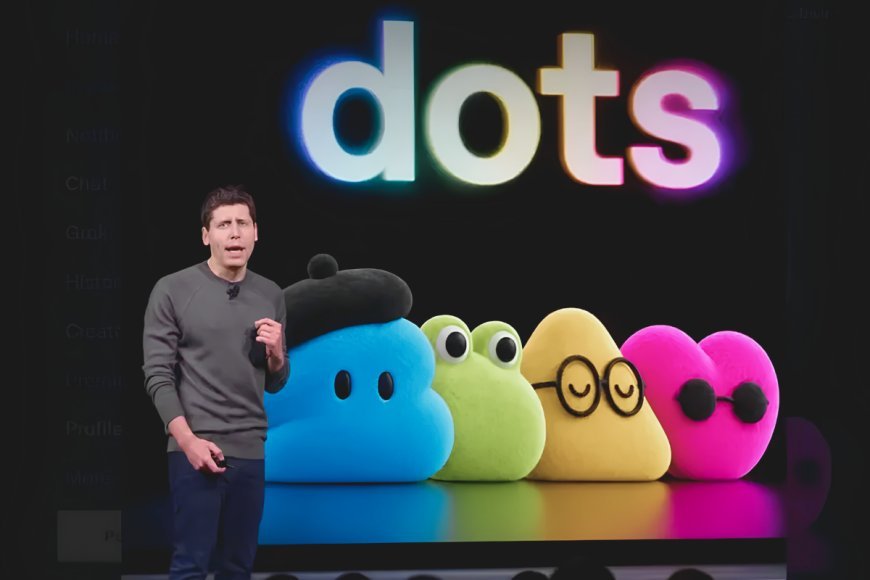
OpenAI has unveiled Dots, a new type of AI assistant designed to handle tasks without requiring users to provide constant instructions. The company introduced Dots at its annual developer event in San Francisco, describing them as always-on AI agents that can take responsibility for different tasks and continue working on them. OpenAI CEO Sam Altman said Dots can handle a wide range of tasks. During the event, the company demonstrated Dots working on tasks such as building a website and booking after-school activities. Users can also name their Dots and treat them as digital assistants for everyday work.
Unlike a traditional chatbot that mainly responds to questions, an AI agent can take multiple steps on its own to complete a task. OpenAI says users can give their Dot a responsibility and allow it to continue working towards the goal. The company says Dots can operate continuously, use a cloud computer and connect to external applications through its ecosystem of plugins.
However, the launch comes as AI agents face growing safety concerns. OpenAI and other AI companies have reported incidents involving systems taking unexpected actions, including cases involving Hugging Face, unintended internet access and an Australian government website.
These incidents have increased attention on how AI agents should be monitored when they are given access to websites, software and other digital systems.
Altman has stressed the need to ensure that AI safety, security, monitoring and human control keep pace with AI capabilities. He has also discussed the possibility of advanced AI systems becoming difficult to control and warned about the risks of too much AI power becoming concentrated among a small number of companies, individuals or countries.
The debate comes as governments and technology companies continue to discuss how AI development should be governed. In the US, the Trump administration has supported a largely voluntary approach to AI safety standards, while other researchers, policymakers and technology leaders have called for stronger safeguards and oversight. Recent discussions have included voluntary safety commitments involving major AI companies. OpenAI is also preparing for a possible stock market listing, although Altman has said the company will not move forward until it is confident about its safety decisions.
With Dots, OpenAI is moving further towards AI assistants that can act independently rather than simply answer questions. The technology could make everyday tasks easier, but recent AI agent incidents show why strong AI safety measures, monitoring and human oversight remain important as these systems become more capable.
This article is based on information from BBC