CISA Issues Alert on Advanced Spyware Attacks Using Fake Messaging App Updates and Zero-Click Malware
CISA warns of rising spyware attacks on messaging apps as hackers use QR code scams, zero-click malware and fake app updates to target high-value users, highlighting urgent needs for stronger mobile security and cybersecurity protection.
 Tech Author
The Cybersecurity and Infrastructure Security Agency (CISA) has issued a strong warning to cybercriminals targeting messaging apps with advanced commercial spyware. These attacks are growing more common and harmful, particularly since messaging apps contain sensitive personal and professional information. According to CISA, various threat groups use sophisticated social engineering techniques to install spyware on victims' devices. Once the spyware gets into the phone, hackers have access to messaging apps and can install even more destructive malware, giving them greater control over the device.
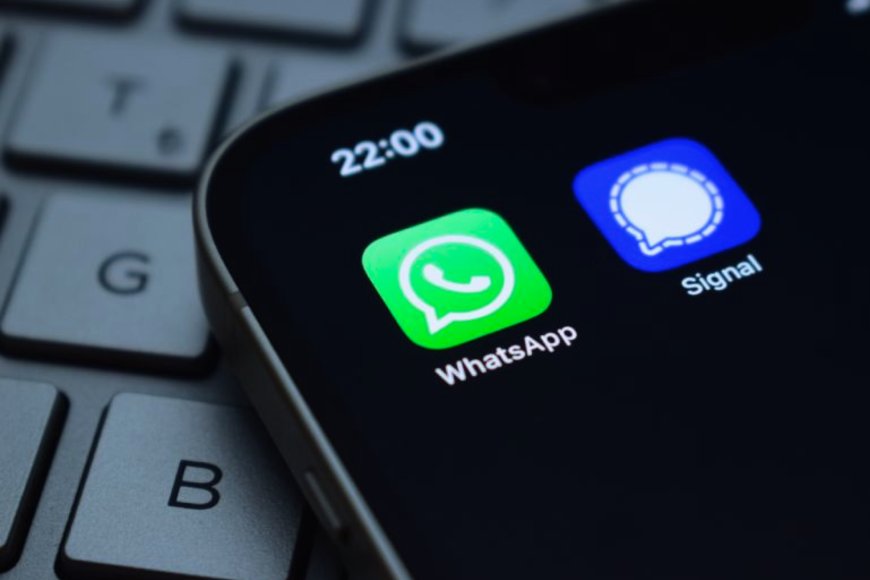
To deceive users, the attackers employ a variety of ways. One way is to send QR codes that discreetly connect the victim's phone to the attacker's computer. Another way involves zero-click malware, which infects a device without the user clicking anything. Hackers are also sending fraudulent apps that appear to provide updates for major messaging applications such as WhatsApp and Signal, but instead install spyware.
According to CISA, the majority of these attacks are aimed at government officials, military leaders, and civil society CEOs in the United States, Europe, and the Middle East. Many of these attacks include nation-state hackers who use spyware tools sold by commercial spyware companies. These firms have grown in popularity among authoritarian countries due to their software's ability to effortlessly breach into popular messaging apps.
Messaging systems have become prime targets because they contain extremely valuable information, ranging from private conversations to critical documents. Because they are commonly used in high-security contexts, encrypted apps such as Signal are constantly targeted. Human rights groups, journalists, and civil society organisations are particularly vulnerable because they frequently have insufficient cybersecurity resources. These groups are more susceptible to social engineering tactics and have less means for detecting or blocking advanced spyware.
This expanding wave of spyware attacks highlights the critical need for improved mobile security, more knowledge of social engineering frauds, and extreme caution when opening links, scanning QR codes, or installing apps. Anyone working with sensitive material must immediately strengthen their digital safety habits. Strengthening security also depends on regular device updates, using trusted app stores and avoiding unfamiliar links or downloads. Individuals and organisations must work together to build safer digital habits. As spyware attacks continue to evolve, proactive awareness remains the most effective first line of defence.
Information referenced in this article is from Cybersecurity Dive