New Android Malware DroidLock Locks Phones and Steals Data Through Fake APK Apps, Raising Serious Mobile Security Concerns
New Android ransomware DroidLock spreads through malicious APK files, locking devices, stealing user data and demanding ransom. The threat highlights rising Android malware risks and the importance of mobile security, Play Protect, and safe app downloads.
 Tech Author
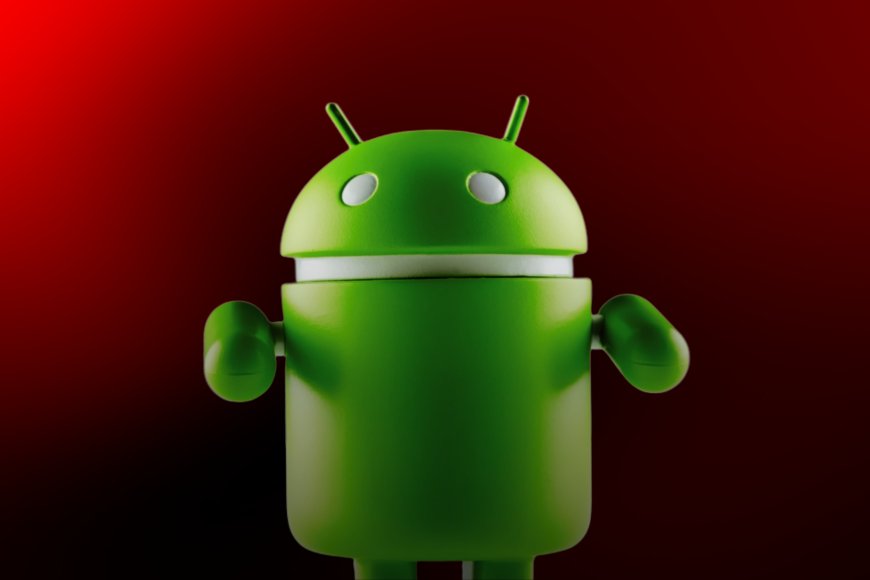
DroidLock, a new Android malware that has caused severe concerns among smartphone users, particularly those who download applications from sources other than the official app store. Security researchers warn that this destructive Android malware can lock a user's phone screen, steal personal data, and demand a ransom, compromising both privacy and device security.
According to mobile security firm Zimperium, DroidLock is a type of Android ransomware which gives attackers nearly complete control over an infected handset. Once installed, the malware may read text messages, access call logs, steal contacts, capture audio, and even delete data from the phone. In many cases, users' screens are swiftly locked and they receive a ransom alert demanding payment to recover access.
Malware is primarily distributed through malicious websites that promote fraudulent apps that appear to be legitimate software. These fake software are frequently distributed as APK files and are aimed at Spanish-speaking users, but experts warn that the issue might quickly expand to other regions. The attack normally begins with a small application known as a dropper, which tricks users into installing a second update containing the actual malware. Following installation, DroidLock requests advanced permissions such as Device Administrator and Accessibility Services. These capabilities enable the malware to lock the phone, change the PIN or password, restore the device to factory settings, or altogether block the user. This is how attackers obtain long-term control without the user discovering anything suspicious at first.
One of the most concerning aspects of DroidLock is its potential to steal the device's lock pattern. It accomplishes this by adding a fake screen that appears to be the actual lock screen. When the user inputs their pattern, the information is discreetly transmitted to the attacker. This makes it easy for hackers to access the phone remotely via screen-sharing software.
Instead of encrypting files, DroidLock threatens to destroy them unless the ransom is paid within 24 hours. Victims are directed to reach out to the attacker via an email address to fix the problem. This strategy continues to exert significant pressure on users, particularly those who have sensitive personal or professional information on their phones.
Zimperium submitted information about this threat with Google as part of the App Defense Alliance, which assisted Android's Play Protect system in detecting and blocking the malware on updated devices. However, users must take precautions to safeguard themselves.
Android users are strongly warned not to download APK files from unknown sources. Always download apps from the Google Play Store, review app permissions carefully, and keep Play Protect turned on. Staying aware and adopting basic mobile security measures will help prevent Android malware attacks like DroidLock while also protecting personal data.
Information referenced in this article is from Bleeping Computer