Why Multi Factor Authentication Is Essential to Prevent Data Breaches and Unauthorized Access
Multi factor authentication protects accounts from ransomware, phishing, and data breaches by adding an extra security layer, reducing account takeover risks and strengthening cybersecurity for individuals, businesses, and cloud-based digital platforms.
 Tech Author
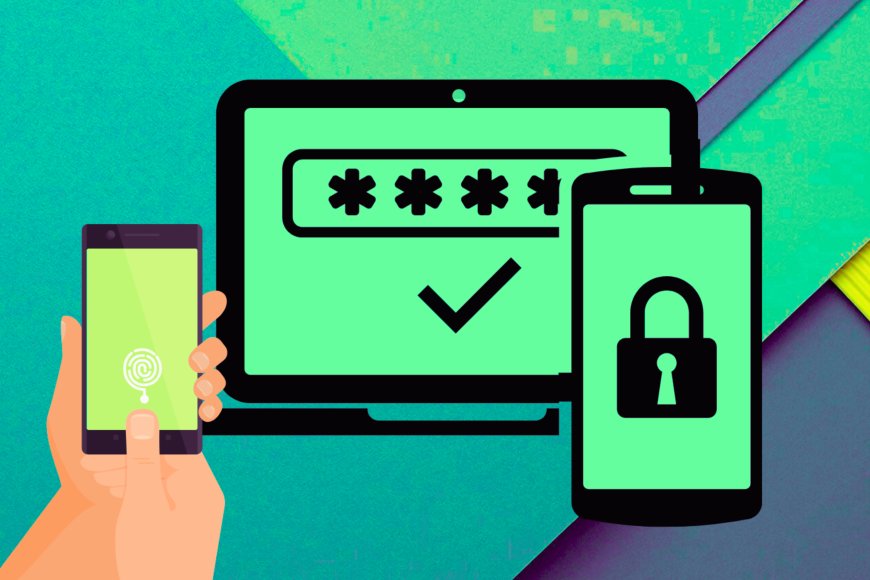
In today’s digital world, even the strongest password is no longer enough to keep accounts safe. Cybercriminals now use advanced methods such as phishing, credential stuffing, and data leaks to steal login details. As online threats continue to grow, multi factor authentication (MFA) has become one of the most effective ways to protect personal and business accounts.
How Multi Factor Authentication Strengthens Account Security
Multi-factor authentication provides an additional layer of protection during login. Instead of relying just on a password, multi-factor authentication requires users to prove their identity in many ways. This might be a one-time code provided to a mobile phone, approval via an authentication app, or biometric checks like fingerprints or facial recognition. The premise is simple yet quite effective. Even if a password is obtained, attackers cannot access the account without completing the second verification step, making unauthorised access far more difficult.
Cybersecurity research clearly demonstrates that MFA works. Research and real-world security studies show that enabling MFA can prevent the vast majority of account takeover attempts. Automated bot attacks, large-scale phishing attempts and even targeted hacks are far less effective when MFA is enabled. As a result, multifactor authentication is widely regarded as one of the most effective defences against today's increasing cyber threats.
Why MFA Is Essential in Today’s Cyber Threat Landscape
The large scope of credential exposure is one of the primary reasons for MFA's importance. According to reports, data breaches and malware infections have resulted in the release of over 16 billion login credentials online. These stolen usernames and passwords are frequently reused across various platforms, leaving accounts extremely exposed. MFA serves as a key safety layer, preventing attackers from utilising compromised credentials.
Another major problem raised by security assessments is the human component. Many data breaches occur as a result of phishing emails, weak passwords, or simple user errors. Because stolen credentials remain the most common access point for attackers, relying just on passwords creates a significant security gap. While MFA does not eliminate all dangers, it does significantly raise the effort required by attackers to succeed.
Although MFA requires an additional step in the login process, the security benefits obviously exceed the little inconvenience. It takes only a few minutes to set up and protects emails, cloud services, company systems, and critical information. This is why security experts strongly suggest making multi-factor authentication obligatory wherever it is possible.
Multi Factor Authentication Is Now a Cybersecurity Necessity
In an era of rising ransomware attacks, identity theft, and data breaches, multi factor authentication should no longer be optional. It is a basic cybersecurity requirement. Enabling MFA today can prevent serious damage tomorrow and ensure stronger protection for both individuals and organizations in an increasingly connected digital landscape.