Ransomware Attack Triggers Widespread Patient Data Exposure in Healthcare Sector
A large healthcare ransomware attack exposed sensitive patient data of nearly 500,000 individuals, highlighting rising healthcare cybersecurity threats, data breach risks, identity theft concerns, and the urgent need for stronger data protection measures.
 Tech Author
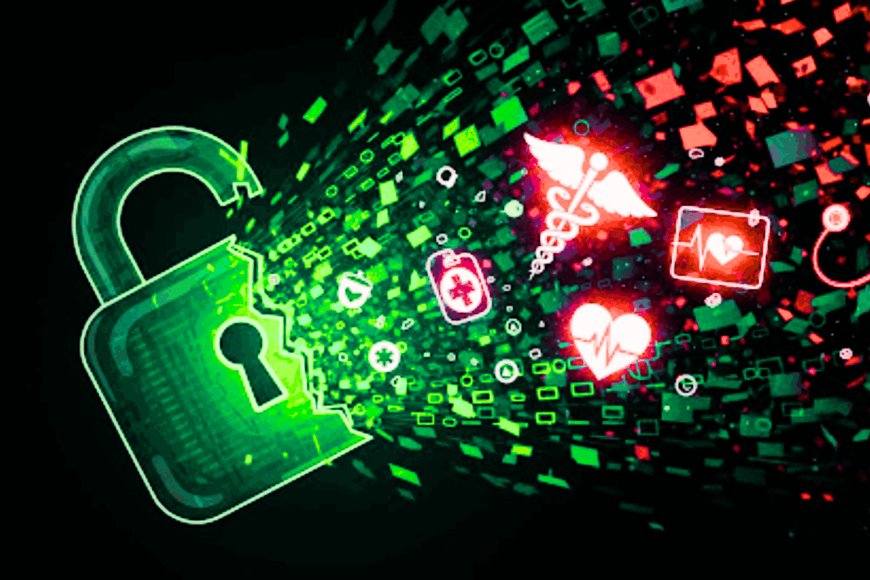
A major healthcare data breach has affected far more people than first reported, after a deeper investigation revealed the true scale of the incident. Covenant Health has now confirmed that nearly 500,000 individuals were impacted by a cyberattack discovered in May, significantly higher than the initial estimate shared earlier.
When the breach was first disclosed in July, the organization stated that data belonging to fewer than 8,000 people had been exposed. However, after completing most of its internal data review, Covenant Health has revised the figure to 478,188 affected individuals. The organization operates hospitals, nursing and rehabilitation centers, assisted living facilities, and elder care services across parts of the northeastern United States, making the incident especially concerning.
According to official information, Covenant Health became aware of suspicious activity on May 26, 2025. Further investigation showed that attackers had gained unauthorized access to its systems on May 18, giving them several days inside the network before detection. The attack was later claimed by the Qilin ransomware group, which stated that it had stolen a large volume of data during the intrusion.
The exposed information may include highly sensitive personal and medical details. This includes names, home addresses, dates of birth, medical record numbers, Social Security numbers, health insurance details, and information related to medical treatment such as diagnosis and treatment dates. Such data, if misused, can lead to identity theft, medical fraud, and other serious risks.
To understand the full scope of the breach, Covenant Health said it hired external forensic experts to analyze what data was accessed and how many people were affected. The organization noted that the review is still ongoing and did not share a specific timeline for its completion. At the same time, Covenant Health stated that it has taken steps to strengthen its cybersecurity systems to reduce the risk of similar incidents in the future.
As part of its response, Covenant Health is offering 12 months of free identity protection services to individuals whose data may have been compromised. Starting December 31, the organization began sending notification letters to affected patients, informing them about the breach and the support being provided.
This incident highlights the growing cybersecurity risks in the healthcare sector, where large volumes of sensitive data make organizations prime targets for ransomware attacks. It also underscores the urgent need for stronger data protection measures, faster threat detection, and regular security audits. As cyberattacks continue to evolve, healthcare organizations must prioritize cybersecurity to protect patient trust and prevent long-term financial and reputational damage.
Information referenced in this article is from Bleeping Computer