Power Loss Protection in SSDs: Why Storage Needs Better Data Loss Prevention
Power Loss Protection (PLP) in SSDs prevents data loss during sudden power failure. Experts suggest adding PLP capacitors to consumer SSD storage to improve data security, reliability, and protection against file system corruption.
 Tech Author
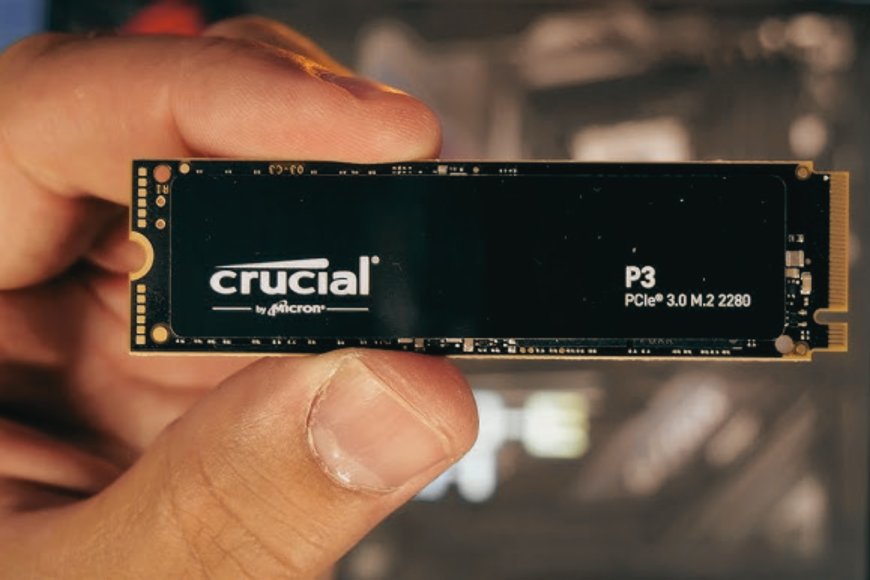
As digital storage continues to grow, keeping your data safe has become more important than ever. While speed often gets the most attention, reliability is just as critical when choosing a storage device.
Most people know that SSD storage is faster than traditional hard drives. But there is one important feature found in enterprise SSDs that many consumer SSDs still do not have. It is called Power Loss Protection (PLP) capacitors, and it plays a big role in preventing data loss.
Understanding How SSD Store Data and Why Power Stability Matters
To understand why Power Loss Protection (PLP) is important first understand how an SSD operates internally. Most recent high-performance SSDs include a small but crucial memory chip known as DRAM. This DRAM functions as a super-fast temporary workspace inside the SSD. Consider it a short-term memory area that helps the drive run faster and smoother.
When you copy a file, install software, or save a document, the data does not immediately go straight to the NAND flash storage. Instead, the SSD controller first sends that data to the DRAM cache. The controller quickly organizes the data and updates something called mapping tables. These tables keep track of exactly where each file is stored inside the NAND memory cells. Because DRAM is extremely fast, this process improves overall SSD performance, speeds up write operations, and reduces delays.
However, DRAM requires constant power to maintain data integrity. If there is a sudden power outage or system crash, the data saved in DRAM might disappear instantly. In certain situations, this can even damage the SSD's internal file system.
How Power Loss Protection (PLP) Protect Critical Enterprise Data from Power Failures
This is where power loss protection capacitors come in. These are modest electronic components built into enterprise SSDs. When the SSD detects power loss, these capacitors offer a short burst of backup power. This allows the SSD just enough time to safely transfer temporary data from DRAM to permanent NAND storage. As a result, it prevents data loss and ensures drive stability.
Enterprise SSDs employ PLP because data centers and enterprises cannot afford to lose data. Servers manage financial transactions, medical records, and other essential data. Even small mistakes can cause major consequences. That is why business storage prioritizes data integrity and dependability.
Why Consumer SSDs Also Need Power Loss Protection for Better Data Safety
But consumer SSD users also face risks. Home power cuts, system crashes, and unexpected shutdowns can happen anytime. Without PLP, a consumer SSD may lose unsaved data or, in rare cases, become unreadable. While using a UPS can help, it does not fully protect against sudden hardware failures. Adding Power Loss Protection to consumer SSDs could improve everyday data security and storage reliability. For gamers, content creators, and remote workers, this extra layer of protection could offer peace of mind. As SSD technology continues to grow, features like PLP may become essential for both enterprise and home users.
Power Loss Protection can make SSD storage much safer by preventing data loss during sudden power failures. As technology evolves, adding PLP to consumer SSDs could greatly improve data security and long-term reliability.
This article is based on information from How to Geek