JPMorgan, Visa and Mastercard Data Breach Raises Concerns Over Customer Privacy and Phishing Attacks
JPMorgan Chase, Visa and Mastercard have confirmed a customer data breach involving a third-party vendor. While names and email addresses may have been exposed, payment and card details remain safe. Cybersecurity experts warn customers about possible phishing attacks linked to the incident.
 Tech Author
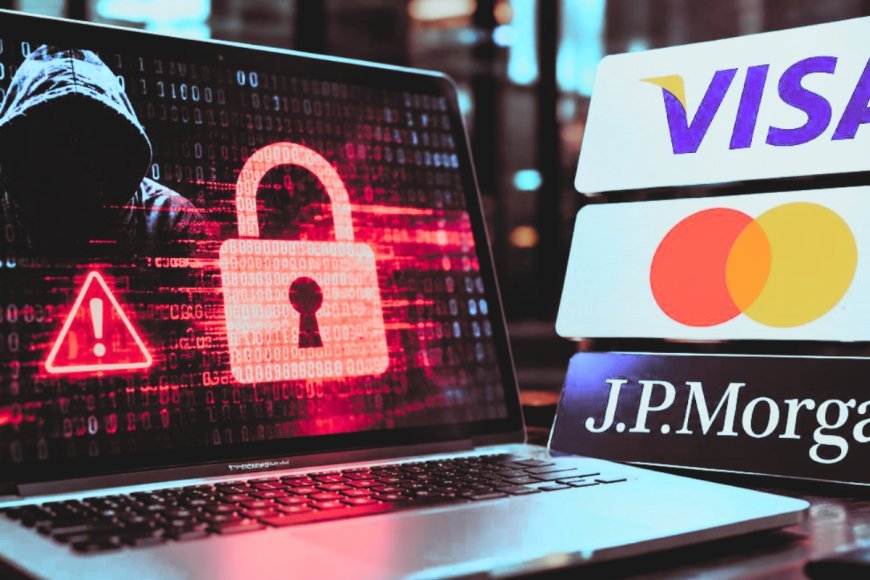
JPMorgan Chase, Visa and Mastercard have confirmed that some customer information was accessed by attackers following a cyberattack on a third-party service provider. The exposed information may include customer names and email addresses. However, the companies have clarified that payment details and card information were not leaked.
JPMorgan said the attackers may have accessed marketing data stored with an outside vendor. The bank added that its own systems were not affected by the incident. It also clarified that the data breach was not connected to the service disruptions reported by customers earlier in the week.
Mastercard also confirmed that a limited number of email addresses belonging to customers enrolled in a specific benefit programme were exposed. The company said its payment network remains safe and customers can continue using their cards normally. Visa said the incident was linked to a third-party service provider in the Asia-Pacific region. It also confirmed that the breach was not connected to the recent system disruptions affecting different industries.
According to cybersecurity firm SOCRadar, a ransomware group known as n0n has claimed responsibility for the cyberattack on the dark web. The group reportedly shared sample data to support its claim. However, SOCRadar said it has not independently confirmed whether the group was behind the attack. The cybersecurity firm believes the incident most likely started through a third-party vendor and involved marketing or benefit programme information.
Although payment information was not exposed, cybersecurity experts have warned customers to remain careful. The main concern is targeted phishing attacks, where criminals may use leaked names and email addresses to send fake messages pretending to come from banks or card companies.
Customers should avoid clicking suspicious links, sharing passwords or revealing banking details through email or messages. They should also verify unusual requests directly with their bank. The incident highlights the cybersecurity risks linked to third-party vendors and the importance of protecting customer data across business networks.
Information referenced in this article is from Yahoo Finance