UPI New Rules: Merchant Payments Above Rs 2,000 to Face 0.4% MDR Charge From October 15
UPI charges explained: Merchant payments above Rs 2,000 will attract 0.4% MDR from October 15, while P2P transfers and payments up to Rs 2,000 remain free.
 Tech Author
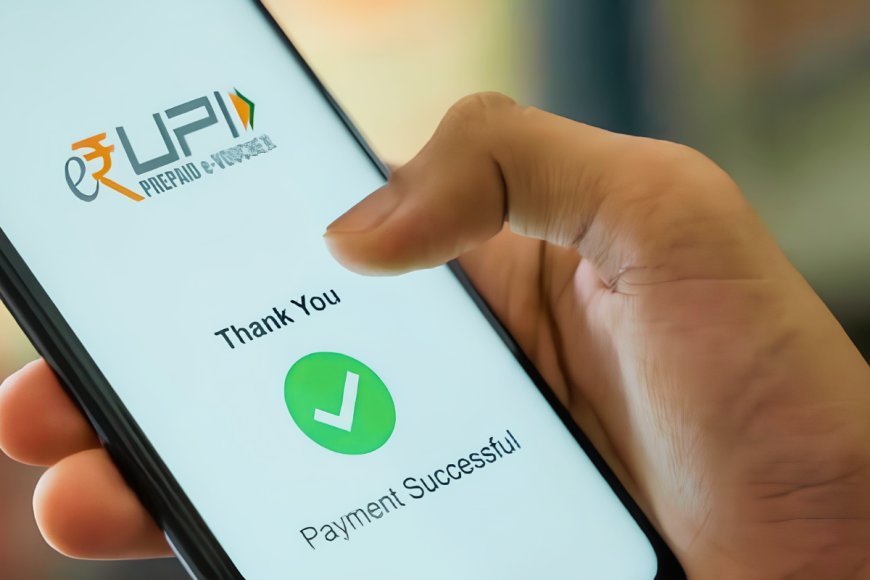
If you use UPI regularly, there is an important update to keep in mind: you will not have to pay a new UPI charge when sending money to friends or making routine payments. From October 15, a new Merchant Discount Rate (MDR) will apply to eligible UPI payments above Rs 2,000 made to merchants. However, the charge will be paid by the merchant rather than the customer.
Under the new UPI Merchant Discount Rate (MDR) framework, eligible merchant transactions above Rs 2,000 will attract a 0.4% charge, with the MDR capped at Rs 300 per transaction.
For instance, if you make a UPI payment of Rs 2,001 at a shop, the merchant would pay approximately Rs 8 as MDR. The Finance Ministry has advised banks to ensure that merchants do not pass this cost on to customers.
For everyday UPI users, there is no change to UPI payments up to Rs 2,000. Person-to-person (P2P) transfers will also continue to be free, even when the amount is more than Rs 2,000. So, if you transfer Rs 5,000 to a friend or family member through UPI, you will not be charged the new MDR. The charge applies only to eligible person-to-merchant (P2M) transactions above Rs 2,000.
The National Payments Corporation of India (NPCI) said around 95% of low-value UPI transactions and small merchant payments will remain outside the MDR framework.
The new framework also introduces a separate charge for certain merchant categories. For eligible payments above Rs 2,000 involving railways, telecom services, insurance, and fuel, a flat Rs 5 charge will apply. NPCI said these charges remain lower than the fees associated with several other digital payment methods, including credit cards, debit cards, and wallets.
The new UPI charges for merchants are not a government tax. According to the Finance Ministry, the MDR will be shared among participants in the digital payments ecosystem, including banks and payment apps, to help cover their operating costs.
NPCI said the new framework is intended to support continued investment in UPI infrastructure, cybersecurity, and innovation. A dedicated fund for small merchants will also be created to strengthen digital payment infrastructure for existing businesses and smaller markets, including Tier 3 locations. Overall, the new UPI MDR rules will primarily affect eligible higher-value merchant transactions, while regular person-to-person transfers and UPI payments of up to Rs 2,000 will continue to remain free for consumers.
This article is based on information from NDTV